Descaling Chemistry: Acetic Acid vs. Mineral Acids

Descaling is often treated as routine maintenance—until heat transfer falls off, pressure rises, or production schedules tighten. At that point, the choice of cleaning chemistry stops being a technical footnote and becomes an operational decision with measurable consequences.

Across industrial facilities, the discussion typically narrows to two options: acetic acid, the most common organic acid used for descaling, and mineral acids such as hydrochloric, sulfuric, and phosphoric. Both are effective. They are not interchangeable.

The difference lies in how they interact with equipment, people, and the broader operating environment. This comparison looks at how these acids perform in industrial descaling, where corrosion risk, safety, and total cost matter as much as cleaning speed.

Cleaning Performance: Speed vs. Control

Mineral acids are fast. Hydrochloric acid, in particular, dissolves carbonate scale aggressively and is often used when heavy fouling must be removed under tight time constraints. In turnaround-driven environments, that speed can be decisive.

Acetic acid works at a slower, more controlled rate. While it may require longer circulation times, its predictable reaction profile allows operators to clean effectively without risking excessive metal loss. This makes it a preferred option in systems where protection of stainless steel or mixed-metal assets is critical.

Practical takeaway: Mineral acids deliver rapid scale removal. Acetic acid provides controlled cleaning with less risk to equipment

Corrosion Behavior and Equipment Protection

Corrosion is where the long-term implications emerge.

Mineral acids can attack stainless steels, copper alloys, and welded joints—sometimes even when inhibitors are used correctly. Pitting and localized corrosion remain ongoing concerns, particularly in older or mixed-metal systems.

Acetic acid is inherently less aggressive. Its chemistry makes it well-suited for applications where corrosion allowances are limited or where asset longevity outweighs cleaning speed. Many operators choose acetic acid to avoid the added complexity and uncertainty of inhibitor packages.

Practical takeaway: Acetic acid offers a wider safety margin for stainless steel and alloy systems.

Safety and Handling in the Field

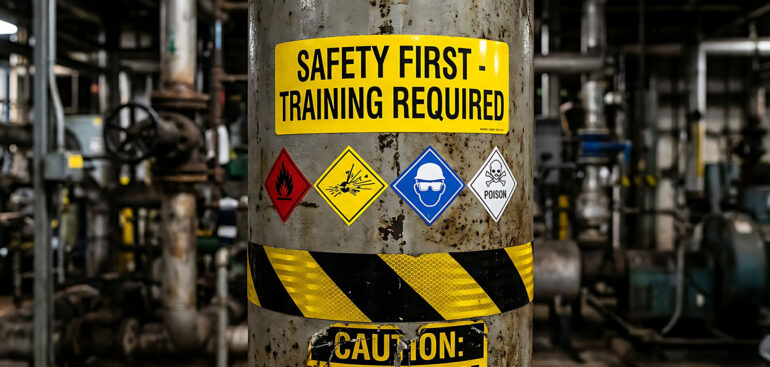
Mineral acids require strict controls. Acid vapors, especially from hydrochloric acid, demand robust ventilation, higher-level PPE, and careful storage to prevent secondary corrosion of nearby equipment.

Acetic acid has a noticeable odor, but significantly lower vapor hazards. For facilities with enclosed spaces or frequent operator interaction, this can simplify handling procedures and reduce overall exposure risk.

Takeaway: Acetic acid lowers the operational burden associated with fumes and handling safety.

Wastewater and Environmental Considerations

Neutralizing mineral acids often generate high-salt effluent streams that complicate wastewater treatment and can stress discharge permits. Chloride loading, in particular, may create downstream corrosion or regulatory challenges.

Acetic acid neutralizes cleanly and biodegrades readily. For facilities operating under tight environmental constraints—or those prioritizing sustainability—this can materially simplify compliance.

Takeaway: Acetic acid reduces wastewater complexity and environmental risk.

Cost‑in‑Use vs. Cost‑per‑Pound

Mineral acids are inexpensive on a per-pound basis, which explains their continued use in heavy industry. Consider that total cost includes more than purchase price:

  • Corrosion damage and shortened equipment life
  • Inhibitor programs
  • PPE and ventilation requirements
  • Waste treatment costs
  • Unplanned downtime from equipment failure

When these factors are accounted for, acetic acid often proves cost-competitive, especially in facilities focused on predictable maintenance cycles and asset preservation.

Takeaway: Mineral acids win on upfront cost; acetic acid often wins on lifecycle economics.

Where Each Acid Makes Sense

Acetic Acid is ideal for:

  • Stainless steel and mixed‑metal systems
  • Food, beverage, biotech, and specialty chemical plants
  • Facilities with strict wastewater or air‑quality requirements
  • Routine maintenance where controlled cleaning is preferred

Mineral Acids are ideal for:

  • Heavy scale buildup
  • Large industrial systems with short turnaround windows
  • Applications where corrosion inhibitors are already standard practice
  • Situations where cost‑per‑pound is the primary driver

Matching Chemistry to the System

Brainerd Chemical supplies both acetic acid and mineral acid solutions designed for industrial descaling across a wide range of applications. From acetic acid used in stainless steel heat exchangers and CIP systems; phosphoric acid for dairy equipment, soft‑metal systems, and applications requiring a gentler corrosion profile; hydrochloric acid for heavy‑scale boilers, cooling towers, and high‑fouling heat exchangers; sulfuric acid for large‑scale industrial descaling where cost efficiency is critical; or nitric acid for passivation and oxidation‑driven cleaning in food, beverage, and pharmaceutical environments, operators can align chemistry with system requirements—not compromise around them. Explore Brainerd Chemical’s range of Acetic Acid and Mineral Acid products here.

There is no universal “best” descaling acid. The right choice depends on equipment metallurgy, operating priorities, safety requirements, and environmental constraints. For many facilities, acetic acid offers a balanced approach—reducing corrosion risk while simplifying handling and compliance. Mineral acids remain valuable where speed and immediate cost are the dominant drivers.

Understanding these tradeoffs leads to better maintenance decisions, longer equipment life, and fewer operational surprises.

Media Inquiries

Brainerd Chemical Company

📞 +1 (918) 622-1214

🌐 www.BrainerdChemical.com

PFAS: What’s Changing, What’s Emerging, and Why It Matters

PFAS reporting

BRIEF: EPA’s TSCA Section 8(a)(7) PFAS reporting rule now requires manufacturers and importers to begin reporting on April 13, 2026. The rule demands detailed, “reasonably ascertainable” data across uses, volumes, byproducts, exposure, and disposal. At the same time, attention is expanding to persistent degradation products like TFA. Together, these forces are pushing PFAS beyond compliance into transparency and risk management. Companies that organize product data now will be better positioned as deadlines—and scrutiny—approach.

PFAS oversight has become less linear and more unsettled. EPA’s TSCA Section 8(a)(7) reporting rule was designed to bring structure to how PFAS have been manufactured and used, but recent extensions and clarifications reflect how complex that task has proven to be in practice. For most manufacturers and importers, reporting begins April 13, 2026.

In November 2025, the EPA proposed changes to the scope of TSCA 8(a)(7) PFAS reporting regulations. Read the Federal Register Notice.  

The scope of what must be reported is broad. Companies are expected to submit information that is known to or reasonably ascertainable. This includes chemical identity, uses, production volumes, byproducts, worker exposure, disposal practices, and any available health or environmental data. Reporting must be completed electronically through EPA’s CDX system, which places additional emphasis on data readiness and internal coordination well before the submission window opens.

At the same time, the conversation is moving beyond familiar PFAS compounds. Trifluoroacetic acid (TFA) has appeared with increasing frequency in global water studies. It is not broadly regulated in the United States, but its prevalence has prompted questions about long-term environmental behavior and whether existing oversight frameworks are keeping pace with emerging science.

For manufacturers, this moment is less about compliance checklists and more about preparedness. Customers ask different questions than they did even a few years ago. They want to know what materials are present, how those materials persist, and what happens downstream. PFAS has shifted from a narrow regulatory topic to a broader transparency issue, touching procurement, product stewardship, and executive risk discussions—often well before regulators knock.

For customers paying closer attention to PFAS and emerging contaminants, Brainerd Chemical’s product portfolio reflects a practical advantage grounded in formulation discipline and documentation. The company emphasizes chemistries that meet performance needs without introducing unnecessary persistence concerns, supported by clear product data and traceability. In applications such as water treatment, sanitation, and industrial processing, this approach gives customers better visibility into what they are using and why—an increasingly important factor as reporting deadlines approach and expectations continue to sharpen.

Why this has become a board-level issue

The April 2026 reporting start date may seem distant, but the data required spans more than a decade of activity. Customers, auditors, and regulators are already pressing for clarity around inputs, intermediates, and byproducts—often earlier in the sourcing process.

PFAS compliance is no longer viewed solely as a regulatory requirement. It has become a measure of credibility—tied to how clearly a company understands its products, how well it documents them, and how confidently it can explain both today and five years from now.

Looking ahead

As the April 2026 reporting deadline approaches, the difference between manageable compliance and a costly scramble will come down to preparation. For many customers, Brainerd Chemical plays a quiet but important role in that process by reducing uncertainty early—through clear product documentation, consistent data, and chemistries designed with stewardship in mind. When suppliers can answer questions clearly, customers spend less time chasing historical data, reconciling gaps, or responding under pressure. That clarity doesn’t just support compliance; it saves time, limits disruption, and helps prevent the kind of last-minute reporting issues that turn regulatory obligations into operational crises.

Why Formaldehyde Matters in Poultry Feed Safety

Poultry feed production facility using formaldehyde-based food intervention controls

Feed safety is where food safety truly begins. Long before processing or packaging, controlling pathogens at the feed level plays a major role in protecting flock health and reducing downstream risk.

That’s where industrial formaldehyde comes in. Because of its powerfully effective characteristics, formaldehyde demands disciplined handling, accurate dosing, and dependable supply. Poultry operations don’t have room for variability or interruptions, especially when feed safety programs are tightly integrated into overall production schedules.

Effective intervention isn’t about reacting later. It’s about controlling risk early, consistently, and responsibly. That starts with the right formaldehyde supply partner. Brainerd Chemical is an ACD Responsible Distribution–verified supplier, a designation that reflects audited standards for safety, environmental responsibility, and supply-chain stewardship. In food intervention applications, that level of discipline helps reduce risk where it matters most. And, the Brainerd Chemical team supports poultry producers with consistent industrial formaldehyde supply backed by a strong focus on safe handling, packaging integrity, and logistics reliability. Customers benefit from a partner that understands both the chemistry and the operational realities of poultry feed manufacturing.

About Brainerd Chemical Company

Brainerd Chemical Company is a leading U.S. manufacturer and distributor of specialty and commodity chemicals. Our mission is simple yet powerful: to safely supply the solutions our customers need, the expertise they want, and the reliability they depend on—every single day.

Media Inquiries

Brainerd Chemical Company

📞 +1 (918) 622-1214

🌐 www.BrainerdChemical.com

Why Redundant Hydrogen Peroxide Supply Matters

Loading industrial hydrogen peroxide

Brief: Facilities that rely on a single hydrogen peroxide supply source face greater operational risk when supply tightens. With no new producers coming online and existing plants operating on aging infrastructure, even routine maintenance can disrupt production. This article explores why redundant sourcing, disciplined storage and handling, and reliable distribution partners are essential to maintaining operational continuity.

“In a tight market, reliability comes from doing the fundamentals right every day,” says Derk Pinkerton, Corporate Sales Supervisor. “Redundant supply only works if the chemistry, the equipment, and the people handling it are aligned. Stewardship is what keeps all three working together when conditions get challenging.”

Hydrogen peroxide is one of those chemicals most operations don’t think about until it becomes a problem. It supports essential processes across water treatment, manufacturing, energy production, pulp and paper, and environmental remediation. It works cleanly, reacts predictably, and often sits quietly in the background doing exactly what it’s supposed to do.

What has changed is the market that supports it. With no meaningful new domestic producers entering the market, and much of the existing capacity depends on aging production assets. Many facilities are operating near their practical limits, which leaves little room to absorb disruptions. When a producer goes down for planned maintenance or unexpected equipment issues, availability can tighten quickly. For operations that rely on hydrogen peroxide as a core process input, this isn’t just a purchasing concern. It’s an operational risk. Unlike some bulk chemicals, hydrogen peroxide cannot be stockpiled indefinitely. It degrades over time, and storage conditions must be carefully controlled. That reality limits how much buffer inventory a facility can realistically carry and places more importance on the reliability of the supply chain itself.

Facilities that depend on a single producer or distribution path are often the first to feel pressure when supply tightens. Delayed deliveries, spot-market pricing, and last-minute substitutions can disrupt production schedules and create downstream compliance challenges. In some cases, the impact isn’t measured in days, but in hours.

Redundant supply planning helps reduce that exposure. Working with qualified distributors who maintain multiple sourcing options, flexible packaging formats, and established logistics networks allows operations to stay ahead of disruptions rather than react to them.

Storage and handling practices also play a role in supply continuity. Contamination, incompatible materials, or poor temperature control can accelerate decomposition and take equipment or inventory out of service. In a constrained market, losing usable product to preventable issues adds unnecessary strain.

Transportation discipline matters just as much. Properly trained drivers, dedicated equipment, and thoughtful delivery scheduling help minimize on-site dwell time and reduce risk during transfer. Reliable distribution is not separate from process safety. It is part of it.

As hydrogen peroxide demand continues across critical industries, the question is no longer whether supply disruptions will happen, but how prepared facilities are when they do. Redundant sourcing, responsible distribution, and proactive planning help ensure hydrogen peroxide remains a dependable tool rather than a vulnerability.

For many facilities, redundant supply planning starts with choosing the right distribution partner. Brainerd Chemical Company supports industrial hydrogen peroxide customers through a diversified supply network designed to reduce single-point failures. Brainerd Chemical provides hydrogen peroxide in concentrations ranging from 1-50% that includes access to multiple qualified production sources, dedicated peroxide-compatible equipment, and flexible packaging options ranging from drums and totes to bulk deliveries.

Just as important is Brainerd’s stewardship approach. Storage compatibility, contamination prevention, transportation discipline, and customer training are treated as part of supply reliability, not separate safety checkboxes. By aligning operational knowledge with a focus on responsible distribution, Brainerd helps customers maintain continuity, protect on-site systems, and avoid the downstream impacts that occur when peroxide supply becomes constrained at the wrong moment.

Why the Next Decade Belongs to Agile Chemical Producers

Brief: Chemical manufacturing is facing a rare convergence of pressure and possibility. Persistent supply chain volatility, regulatory delays, workforce gaps, and rising capital costs continue to strain reliability. Yet these same forces are increasing the value of operational discipline, technical partnership, and responsive problem-solving. Customers across nearly every sector now prioritize certainty, stewardship, and specialty capability over low-cost sourcing. This shift gives agile chemical producers—especially mid-sized U.S. manufacturers with flexible assets and strong safety culture—a unique competitive advantage in the decade ahead.

The State of Chemical Manufacturing: What’s Holding Us Back—and What Has Me More Optimistic Than Ever

The last several years have rewritten the operating environment for chemical manufacturers. Supply chain instability, regulatory uncertainty, talent shortages, and capital pressures have forced companies to rethink how they plan, produce, and deliver critical chemicals. Yet despite these headwinds, the fundamentals of the North American market have never been stronger.

Across nearly every sector – energy, water treatment, food processing, electronics, and industrial manufacturing – customers are prioritizing reliability over low-cost sourcing. For mid-sized U.S. producers, that shift represents a generational opportunity.

Operational Pressure Is Reshaping the Industry

Operational constraints are real and unavoidable—volatile logistics, extended permitting timelines, retiring technical talent, and rising equipment costs all shape how chemical companies plan and produce. But these pressures are also redrawing the competitive map. In this environment, agile chemical producers—particularly mid-sized manufacturers—are increasingly positioned to outperform larger, slower-moving competitors. Their advantage is structural: they can reconfigure production faster, make decisions without layers of bureaucracy, and respond to customer disruptions in real time. This agility allows them to maintain reliability even when the broader system is strained, reinforcing their value as dependable partners in an unpredictable market. As pressures intensify, it’s the companies capable of combining discipline, speed, and safety that will define the new standard for operational excellence.

Specialty and Stewardship-Driven Growth Outpacing Commodities

While commodity markets remain cyclical, specialty chemistry is accelerating:

  • Oil & gas biocides (particularly PAA)
  • Water treatment chemistries
  • Food-grade and high-purity blends
  • Electronics-support chemicals
  • Custom formulations and toll manufacturing

Growth in these sectors favors manufacturers with flexible assets, strong engineering rigor, and a culture built around quality and compliance. Customers increasingly want more than product—they want process knowledge, documentation, technical support, and transparent guidance on storage, handling, and safety.

Safety, Compliance, and Culture as Competitive Advantages

In a tightening regulatory landscape, companies with mature safety systems and strong environmental stewardship are separating themselves from the field. Compliance has become a sales advantage. Reliability has become brand equity. And transparency—real transparency—is now a differentiator.

This evolution aligns with broader reshoring trends. Domestic producers capable of delivering consistent quality, providing technical partnerships, and maintaining rigorous safety programs are steadily capturing market share from international suppliers.

Technology Is Providing Leverage Where It Matters Most

Automation, digital inventory tracking, AI-assisted maintenance, and upgraded QC analytics are improving throughput, reducing unplanned downtime, and elevating the precision of specialty production. These tools enable mid-sized manufacturers to operate with large-scale discipline while retaining agility.

Technology is not replacing chemical expertise — it’s amplifying it.

Relationships Remain the Industry’s Most Influential Variable

Despite technological advances, the core of the business remains unchanged: trust. Customers want suppliers who answer the phone, solve problems quickly, and communicate realities—not excuses. In an environment of volatility, the companies that are dependable will be the companies that grow.

A Market Defined by Discipline and Opportunity

Chemical manufacturing in North America is unmistakably at an inflection point. The companies that will define the next decade won’t be those with the largest assets—they’ll be the ones with the discipline to operate consistently, the safety culture to protect people and communities, and the agility to adapt faster than the pressures reshaping our industry. The constraints are real, but so are the opportunities.

Mid-sized, operationally strong producers now have a unique window to earn market share by demonstrating what customers value most: reliable performance, transparent communication, and fast, confident problem-solving when it matters most.

At Brainerd Chemical, we believe the future of chemical manufacturing is being shaped right now by agile producers committed to three fundamentals:

  1. A relentless focus on safety, reliability, and transparency.
  2. Delivering consistent quality backed by deep technical partnership.
  3. Investing in the people, processes, and capabilities that support customers for the long term.

By providing certainty in an unpredictable environment—and by executing those fundamentals every day—Brainerd Chemical is the agile manufacturer setting the standard for what’s next.

Why Talent Is a Strategic Priority

Every year, the Alliance for Chemical Distribution (ACD) annual meeting offers a clear snapshot of where the industry is headed. But this year, one theme rose above the rest: the companies winning the next decade are the ones investing in people, not just processes.

“In today’s chemical industry, strategy only matters if you have the people who can execute it. Talent, training, and leadership development are now as critical to competitiveness as safety and supply reliability.”
Matt Brainerd, Chairman, Brainerd Chemical Company

With regulatory pressures reshaping operations, global trade dynamics introducing new volatility, and customers expecting more transparency and responsiveness than ever before, workforce capability has become a true differentiator. The companies developing their people — their judgment, leadership, technical expertise, and communication skills — are the ones building the strongest foundations for growth.

A Competitive Advantage

For decades, the chemical sector has leaned heavily on operational efficiency, footprint, and supply reliability. While these remain essential, the industry’s evolution is forcing an additional layer of capability: talent that can think, adapt, lead, and collaborate in increasingly complex environments.

In this environment, people become the stabilizing force, the problem-solvers who ensure reliability, trust, and resilience even when market conditions shift. That’s why the conversations at ACD focused not only on where the industry is going, but who will lead it forward.

A Path Forward

Brainerd Chemical has long believed that industry leadership isn’t defined by scale, but by the discipline, capability, and character of your people. Talent is a strategic differentiator in chemical distribution as essential as supply reliability and safety performance.

The companies building stronger teams today aren’t just more competitive — they’re building stronger a more resilient chemical industry for tomorrow.

Why Safety Matters Now More Than Ever

Professional Brainerd Chemical operator ready to deliver industrial chemicals safely.

Brief: Our customers rely on Brainerd Chemical not just for specialty and commodity chemicals, but for the confidence that comes with true partnership. Backed by a strong safety culture, certified products, sustainable solutions, and a hybrid distribution network, Brainerd delivers more than compliance. We provide nationwide logistics and technical expertise that give our partners a clear business advantage.


Forward-thinking companies recognize that compliance is just the starting point. True stewardship comes when suppliers are more than vendors — when they stand beside customers as partners in safety, reliability, and responsible growth.

Safety is more than a box to be checked. It should be the foundation of every decision — from product offerings and packaging design to logistics, sustainability, and customer collaboration.

The cultural mindset that safety is an operational imperative distinguishes Brainerd from our competitors and positions the company as one of North America’s most trusted chemical partners.

Stewardship

Brainerd Chemical is not only a distributor but also a recognized industry thought leader. Through its involvement with organizations such as the Alliance for Chemical Distribution (ACD) and participation in national safety and stewardship initiatives, Brainerd has helped shape best practices across the industry.

“Stewardship is more than meeting today’s standard — it’s about improving tomorrow’s. At Brainerd Chemical, we see it as our responsibility to deliver chemicals in a way that protects our employees, our customers, and our communities.

– Mat Brainerd, Chairman, Brainerd Chemical Company

This leadership translates into customer value. Brainerd’s experts engage with regulators, engineers, and purchasing managers to anticipate emerging trends, align with evolving standards, and deliver proactive solutions. For customers, this means having a partner that helps keep them compliant today and proactively prepared for the challenges of tomorrow.

Safety as Culture, Not Checklist

For Brainerd Chemical, safety extends beyond compliance. It is embedded in training, stewardship initiatives, facility tours, and packaging design. Employees are empowered to prioritize safety, and customers benefit from a partner who takes responsibility for minimizing risk across the supply chain.

  • Employee Training: Continuous education ensures workers handle hazardous materials with expertise and vigilance.
  • Stewardship Programs: Regular facility tours and customer site visits reinforce best practices.
  • Risk Management: Packaging and transport innovations minimize exposure risks at every stage.

You can trust that when buying from Brainerd, you are choosing a partner that cares as much about safety as you do.

Customer-Focused Innovation

The best suppliers do not simply react to customer needs; they anticipate them. Brainerd Chemical invests in customer-focused innovation, developing solutions that align with evolving industry demands.

  • Custom Packaging: Designing containers and connections that reduce spills and exposure.
  • Digital Tools: Streamlining documentation, labeling, and compliance reporting for easier integration into customer systems.
  • Technical Consultation: Providing guidance on application-specific questions, from corrosion control to water treatment efficiency.

This proactive approach transforms Brainerd from a supplier into a true extension of the customer’s team.

Sustainable by Design

Modern manufacturing operates under growing scrutiny for its environmental, social, and governance (ESG) performance. Customers, regulators, and investors are demanding safer, cleaner, and more sustainable operations.

Brainerd Chemical supports these objectives with a safe and sustainable design approach:

  • GFSI Certification: Ensuring sulfuric acid products under 80% concentration meet global food safety standards.
  • Greener Chemistries: Expanding the use of peracetic acid, eutectic solvents, and other lower-impact alternatives.
  • Packaging Innovation: Designing container systems that reduce exposure and minimize environmental risks.
  • Transparency & Traceability: Providing documentation that simplifies customer audits and ESG reporting.

These measures mean safer operations, easier compliance, and more consistent alignment with corporate sustainability goals.

Brainerd Chemical’s Comprehensive Product Portfolio

Manufacturers across sectors depend on access to a diverse chemical portfolio. Brainerd Chemical supports virtually every corner of industrial and specialty manufacturing through a robust, diversified product portfolio. Rather than offering just a few commodity chemicals, Brainerd delivers not only core acids and bases but also blends, reagents, specialty solvents, and food-grade chemistries — all under one roof. Here’s how those offerings break down:

Core Acids & Corrosion / Material Treatment

  • Nitric Acid (98+ %) — a powerful oxidizer essential for metallurgical processes, etching, and surface treatments in powder metals and ceramic industries.
  • Sulfuric Acid (1-93 %) — one of the most widely used industrial chemicals, critical in fertilizer manufacture, oil refining, and pH control in water treatment. Importantly, Brainerd certifies all sulfuric acid below 80 % as GFSI-certified for food contact.
  • Hydrochloric Acid (HCl) — a general-purpose strong acid for cleaning, pickling, pH adjustment, and other industrial uses.
  • Hydrofluoric Acid (49 %, 70 %) — used in the semiconductor, glass, and specialty etching industries for its ability to etch silicon dioxide and complex materials.
  • Phosphoric Acid (75 % FG) — food-grade and industrial-grade phosphoric acid for fertilizer, food processing, and cleaning applications.

Bases, Oxidizers & Disinfectants

  • Sodium Hydroxide (Caustic) and Caustic Blends — fundamental alkali reagents used for pH adjustment, neutralization, and chemical processing in many industries.
  • Sodium Hypochlorite (12.5 %) — a mainstream disinfectant and bleach solution for water treatment and sanitation.
  • Hydrogen Peroxide (1-50 %) — a strong oxidizer and disinfectant, often used in water treatment, pulp & paper, and chemical synthesis.
  • Peracetic Acid (PAA) — a high-performance biocide and sanitizer widely used in food processing, energy, water treatment, and industrial hygiene.

Specialty & Reagent Chemicals

  • Formaldehyde — Brainerd is proud to hold an exclusive EPA registration for formaldehyde, making it a unique source in the market.
  • Citric Acid (50 %) — a mild organic acid used in food processing, chelation, cleaning, and pH control applications.
  • Glycols — ethylene glycol, propylene glycol, or other glycols used as antifreezes, heat transfer fluids, or solvents.
  • Isopropyl Alcohol & Methanol — common industrial solvents and cleaning agents.
  • Toluene — an aromatic hydrocarbon solvent used in many chemical processes and formulations.
  • Mixed Acids — custom blends of acids to suit specific process requirements or corrosion control formulations.
  • Solvents — a broader category of specialty and general-purpose solvents for industrial and formulation use.

Brainerd’s portfolio spans the full spectrum of industrial and specialty chemistries — from strong acids and bases to disinfectants, solvents, reagents, and custom blends. This breadth allows purchasing agents and specifying engineers to simplify their supply chain and rely on a single partner for many of their critical chemical needs.

Safe, Redundant and Reliable Supply Logistics

Reliable logistics capabilities are essential to your success. Brainerd Chemical’s hybrid distribution network is designed to ensure that critical materials reach you safely, consistently, and on time.

  • Nationwide Reach: With strategically located facilities in Oklahoma, North Carolina, Delaware, Georgia, and beyond, Brainerd delivers coast-to-coast coverage.
  • Multi-Modal Logistics: A combination of rail, truck, and common carrier partnerships provides flexibility and resilience against regional disruptions.
  • On-Site Storage & Blending: Facilities equipped with blending and packaging capabilities ensure rapid response to custom specifications.
  • Just-In-Time Manufacturing: Reduces storage costs, waste, and degradation risk while keeping your supply chain efficiently aligned with your production demands.
  • DOT-Approved Packaging: Specialized solutions — including Brainerd’s exclusive U.S. Department of Transportation Special Permit for concentrated nitric acid drums — set new standards for safety and accessibility.

This distribution network reduces risk for manufacturers whose production depends on uninterrupted supply. When delays or shortages can cost millions, Brainerd’s ability to safely deliver on-time becomes a competitive advantage.

What Makes Brainerd Chemical a Better Choice

In a crowded marketplace, Brainerd Chemical Company distinguishes itself through a combination of exclusive capabilities, technical expertise, and outstanding customer service:

  1. Exclusive Capabilities: Brainerd’s DOT Special Permit enables drums of concentrated nitric acid to be shipped on traditional carriers, a rare capability in North America. This packaging design minimizes human contact during use, reducing risk for workers.
  2. Comprehensive Solutions: From bulk tank shipments to packaged drums and custom blends, Brainerd delivers flexibility tailored to each customer’s operational model.
  3. Technical Expertise: A team of specialists provides application-specific insights, ensuring that customers choose the right concentration, blend, and packaging for their processes.
  4. Customer Service: Brainerd operates with a partnership mindset, focusing on safety, stewardship, and performance rather than simple transactions.

This combination of unique solutions, deep expertise, and customer-first service makes Brainerd Chemical a better choice for those seeking reliability and risk mitigation.

Choosing Partnership for a Safer Future

In competitive manufacturing markets, the choice of chemical supplier can make the difference between meeting targets and missing deadlines, between passing an audit and facing penalties, between protecting workers and exposing them to risk.

Brainerd Chemical delivers that strategic advantage through a comprehensive product portfolio, resilient logistics, certified stewardship, and innovative capabilities that reduce risk and add value. This gives you the strategic advantage of knowing that essential chemicals arrive safely, on time, and tailored to your needs. Brainerd offers true partnership — with fewer supply chain worries, stronger compliance support, and greater operational confidence.

About Brainerd Chemical Company

Brainerd Chemical Company is one of the nation’s leading chemical manufacturers and distributors, supporting industries from energy and agriculture to water treatment and manufacturing. We combine proven expertise with innovative packaging, logistics, and service solutions to help our partners achieve efficiency, safety, and long-term success.

Why PAA Biocides Outperform Glutaraldehyde

Glutaraldehyde’s regulatory future in oilfield water treatment is uncertain. Peracetic acid (PAA) biocides fuel a safer, effective, and future-ready alternative to protect operations, reduce compliance risks, and align with ESG goals. Learn why oilfield leaders are shifting to PAA biocides for compliance, performance, and ESG advantage.

Oilfield water management is entering a new era. What used to be a straightforward “dose-and-go” choice is now a boardroom discussion about regulatory exposure, ESG optics, worker safety, and long-term cost. In that conversation, glutaraldehyde (GA) is increasingly the weak link—while peracetic-acid (PAA) biocides are proving to be the essential, safe, effective, and future-ready alternative.

A practical brief follows to help leadership, specifying engineers, procurement teams, and well-servicers who want to increase responsible operations and future-proof against regulatory risks.


The squeeze on glutaraldehyde is real—and growing

Worker safety pressure is mounting. Respiratory and skin contact risks are continually more demanding and costly.

Regulatory reviews aren’t going away. In the U.S., EPA’s ongoing registration review program for pesticides (including industrial biocides) can impose new mitigation requirements—PPE, engineering controls, label changes, or use restrictions—mid-cycle. GA’s review docket remains active, which means additional compliance steps may still be required as updates publish. Planning for alternatives now reduces change-order chaos later.

Environmental scrutiny is intensifying. Peer-reviewed literature has highlighted the aquatic toxicity and fate concerns of several oilfield biocides, including GA, fueling pressure from regulators and stakeholders to curb persistent, toxic residuals in discharge and recycle streams.

Bottom line: Even before any outright restrictions, the cumulative burden—exposure controls, monitoring, training, reporting, and reputational risk—pushes GA’s true cost higher each year.


Why PAA biocides are the future-ready standard

Clean breakdown, minimal residues. PAA decomposes rapidly into acetic acid, oxygen, and water, leaving no halogenated or persistent byproducts. That’s powerful for recycled frac water, produced-water reuse, and discharge optics—exactly where ESG and permit pressure converge.

Broad-spectrum, fast kill—including SRB and biofilms. Field and lab studies show PAA’s strong activity against sulfate-reducing bacteria (SRB), key H₂S generators and corrosion drivers. Reports from oilfield trials and independent studies demonstrate efficacy in complex waters and even within sessile communities where other oxidants struggle.

Operationally compatible. PAA is used across industrial water treatment precisely because it works in variable pH and temperature windows and coexists with common oilfield chemistries (FRs, scale inhibitors) when applied correctly. This reduces the risk of chemistry conflicts that derail pad schedules.

Worker-safety advantages. As an oxidizing biocide with rapid decay, PAA minimizes long-lived residual exposure. Its well-understood decomposition profile simplifies containment and incident response relative to sensitizers. (Safe handling is still essential—PAA is a strong oxidizer and corrosive—but the exposure narrative is fundamentally different.)

ESG-aligned without sacrificing performance. For operators publishing sustainability metrics, “no persistent biocidal residues” and “lower aquatic-toxicity footprint in treated effluents” are benefits that resonate with investors and communities—without compromising bacterial control.


Total cost of ownership: where PAA wins

1) Compliance drag: As GA-related controls tighten, compliance cost grows (monitoring, respiratory programs, training, incident reporting). PAA’s profile reduces that overhead.

2) Performance risk: SRB-driven corrosion and souring are seven-figure problems. PAA’s fast oxidation and biofilm penetration reduce re-treat cycles, H₂S incidents, and downtime.

3) Water-reuse economics: PAA’s rapid decomposition supports recycle targets by limiting carry-over residuals that can foul later stages—improving reuse rates and chemistry reliability.


Application guidance: where to specify PAA


    • On-the-fly frac water treatment: Dose for rapid broad-spectrum knockdown; verify with ATP/bug counts and residual monitoring.


    • Pond/impoundment control & H₂S mitigation: Periodic PAA shock or continuous low-dose to manage SRB and odors; integrate with aeration for best results.


    • Produced-water recycle loops: Target kill while minimizing residuals that impact separation and midstream handling.


Design considerations


    • Demand & dose: Run quick-kill demand tests against site water to map required PAA dose (accounting for COD/sulfides).


    • Contact time: PAA works fast; on-the-fly setups should ensure adequate mixing and seconds-to-minutes of contact before the wellhead.


    • Monitoring: Track kill with ATP or culture methods; confirm PAA residual decay to protect downstream chemistries and equipment.


The strategic takeaway

You don’t need a ban to feel the pinch. GA’s sensitizer classification, safety ceilings, and the drumbeat of regulatory review create ongoing compliance drag and reputational risk. PAA offers the inverse: robust performance against the bugs that matter (including SRB), rapid, clean decomposition, and an ESG-aligned story your stakeholders can endorse. Moving now locks in operational reliability and regulatory resilience for the years ahead. If you’re ready to evaluate a PAA program—bench tests, pad trial design, spec language, and full changeover—Brainerd Chemical can help you build a plan that meets your HSE, performance, and cost targets.


Partner With the Future of Oilfield Water Treatment

For energy leaders, staying ahead of risk isn’t just about compliance—it’s about choosing solutions that safeguard people, protect assets, and deliver lasting performance. With Brainerd Chemical Company, you gain more than a supplier. You gain a partner committed to innovation, safety, and reliability in every drop of chemistry we deliver.

Our PAA-based biocide programs are engineered to help you meet today’s operational challenges and tomorrow’s regulatory expectations—reducing downtime, streamlining water reuse, and strengthening ESG performance.

Let’s talk about your next project. Contact our technical specialists today at +1 (918) 622-1214 to learn how Brainerd Chemical Company can help you build safer, cleaner, and future-ready operations.


About Brainerd Chemical Company

Brainerd Chemical Company is a leading U.S. manufacturer and distributor of specialty and commodity chemicals, serving energy, agriculture, water treatment, and manufacturing industries. Our mission is simple: to safely supply the solutions you need, the support you want, and the reliability you depend on—every single day.


[/vc_column_text][/vc_column][/vc_row]

Highlights from ChemEdge 2025

Louisville, KY – August 18, 2025 — Last week, leaders from across the chemical distribution industry gathered for ChemEdge 2025, one of the year’s most anticipated events hosted by the Alliancefor Chemical Distribution (ACD). The energy was high, the conversations meaningful, and the outlook for the future of our industry brighter than ever.

Brainerd Chemical Company was proud to participate once again as a Platinum Sustaining Sponsor, reaffirming our commitment to supporting the growth, innovation, and safety of the chemical distribution community.

Why ChemEdge Matters

ChemEdge is more than just a conference—it’s a hub where chemical industry professionals come together to:

  • Share knowledge on best practices, regulatory updates, and emerging technologies.
  • Build connections that strengthen our industry network and foster long-term partnerships.
  • Prepare for the future by tackling challenges head-on and identifying opportunities for innovation, sustainability, and growth.

For Brainerd Chemical, these pillars align directly with our mission: to safely supply our customers with the solutions they need, the expertise they want, and the reliability they depend on.

Our Takeaways from Louisville

This year’s ChemEdge offered more than just great sessions and conversations—it highlighted where the industry is headed. Key themes included:

  • Safety as the standard, not the exception. From new regulatory frameworks to practical on-site strategies, safety remains at the core of our industry.
  • Sustainability in action. Companies are finding innovative ways to lower environmental impact while improving efficiency.
  • The power of partnerships. The future of chemical distribution depends on collaboration across the supply chain, from producers to distributors to end-users.

Looking Ahead

We are energized by the insights, connections, and opportunities that came out of ChemEdge 2025. Events like this remind us why our work matters—not just for our company, but for the people, communities, and industries we serve.

As a platinum sponsor, we were honored to support ACD’s mission of advancing a safe, sustainable, and successful chemical distribution industry.

Here’s to another successful ChemEdge—and to building a stronger future, together.

About Brainerd Chemical Company

Brainerd Chemical Company is a leading U.S. manufacturer and distributor of specialty and commodity chemicals, serving critical industries including energy, agriculture, water treatment, and manufacturing. Our mission is to safely supply the solutions our customers need, the expertise they want, and the reliability they depend on—every single day.

👉 Did you attend ChemEdge 2025? We’d love to hear your biggest takeaway. Share your thoughts in the comments below.

Sulfuric Acid Supply You Can Trust

Sulfuric acid is the backbone of modern industry. Selecting the right supplier goes beyond price. Learn the five key factors—quality, compliance, logistics, support, and sustainability—that define a reliable partner. Discover how Brainerd Chemical delivers confidence, safety, and expertise in every supply relationship.

Sulfuric acid (H₂SO₄) is one of the most widely used and produced chemicals in the world—an indispensable foundation of modern manufacturing. From fertilizers that sustain global agriculture to batteries powering our vehicles and devices, sulfuric acid quietly drives progress across countless industries.

In fact, by volume, sulfuric acid is the largest industrial chemical produced in the United States, making its demand a trusted barometer of industrial activity and overall economic health.

Why Sulfuric Acid Matters

Sulfuric acid is a vital input in:

  • Fertilizers – supporting the production of phosphate fertilizers that feed the world.
  • Metals & Steel – essential in ore processing, pickling, and refining.
  • Energy Storage – powering lead-acid batteries used in vehicles, backup power, and renewable energy systems.
  • Chemicals & Materials – enabling the production of nylon, pigments, synthetic resins, detergents, and pharmaceuticals.

Without it, the world’s ability to grow food, build infrastructure, and develop new technologies would be significantly diminished.

Brainerd Chemical: Delivering Reliability & Stewardship

At Brainerd Chemical Company, we take pride in being a trusted partner to vendors and manufacturers who depend on sulfuric acid every day. Our commitment extends beyond supply—it’s about quality, safety, and stewardship.

  • Versatile Supply: We safely deliver bulk, packaged, blended, and cut sulfuric acid in concentrations from 1–93%.
  • Food-Contact Certification: Sub-80% concentrations are GFSI certified, enabling use in food contact applications.
  • Trusted Reliability: Our nationwide distribution network ensures steady supply, even in volatile market conditions.
  • Safety First: Every step of our process—from production to delivery—is built on rigorous safety standards and environmental responsibility.

A Strong Sulfuric Acid Industry = A Strong America

A robust sulfuric acid industry strengthens U.S. manufacturing, innovation, and economic independence. As COO Neil Morgan notes:

“By volume, sulfuric acid is the largest industrial chemical produced in the United States, making its demand a barometer of industrial activity and overall economic health.”

By supplying high-quality sulfuric acid, Brainerd Chemical helps reinforce America’s ability to compete globally, grow sustainably, and innovate boldly.

Selecting Your Ideal Sulfuric Acid Partner

Choosing a sulfuric acid supplier is about far more than comparing prices. The right partner provides a foundation of quality, safety, compliance, and reliability that supports both day-to-day operations and long-term growth.

When evaluating suppliers, companies should consider:

Product Quality & Consistency – Does the supplier meet stringent purity, concentration, and performance standards?

Regulatory Compliance – Can they provide the certifications, documentation, and support needed for strict industry and government requirements?

Logistics & Delivery – Is there infrastructure in place for on-time, safe, and flexible delivery across regions and scales?

Technical Support – Does the supplier provide expert guidance for handling, formulation, and process optimization?

Sustainability & Stewardship – Are environmental responsibility and safe practices at the core of operations?

Confidence at Every Step

At Brainerd Chemical Company, we deliver on every front—backed by infrastructure, expertise, and integrity that industry leaders rely on:

  • Safe, reliable supply from 1–93% concentrations
  • GFSI-certified sulfuric acid (<80%) for food contact use
  • Nationwide distribution with proven logistics capabilities
  • Dedicated technical specialists for regulatory and operational support
  • A commitment to safety, sustainability, and stewardship

Whether you need bulk supply, customized formulations, or regulatory guidance, Brainerd Chemical is your partner in growth and reliability.

To speak with a technical specialist about sulfuric acid sourcing, compliance, or custom solutions, contact us at +1 (918) 622-1214.

About Brainerd Chemical Company

Brainerd Chemical Company is a leading U.S. manufacturer and distributor of specialty and commodity chemicals, proudly serving critical industries including energy, agriculture, water treatment, and manufacturing. Our mission is simple yet powerful: to safely supply the solutions our customers need, the expertise they want, and the reliability they depend on—every single day.

Media Inquiries

Brainerd Chemical Company

📞 +1 (918) 622-1214

🌐 www.BrainerdChemical.com