
As food safety standards tighten and sustainability expectations rise, peracetic acid (PAA) is becoming the sanitizer of choice for processors seeking reliable microbial control, operational efficiency, and environmental stewardship.
What disinfectant should food processors use? There is no universal ‘best’ disinfectant for every food processing operation, but peracetic acid (PAA) has become one of the fastest-growing sanitation technologies because it provides rapid, broad-spectrum antimicrobial performance while supporting water conservation, sustainability initiatives and operational efficiency. Many processors now evaluate PAA based on its total operational value rather than cost per gallon alone.
Why More Food Processors Are Switching to PAA
Food processors are not abandoning chlorine overnight—but many are asking a different question: ‘Which sanitizer delivers the best overall operational value?’ Modern sanitation programs are increasingly evaluated by food safety, production uptime, water use, wastewater management, worker safety, sustainability, and total operating cost. That’s where PAA continues to gain momentum.
Why PAA Stands Out
Peracetic acid has become increasingly popular because it checks multiple boxes at once. It offers rapid antimicrobial performance, broad-spectrum effectiveness, strong performance in the presence of organic matter, minimal environmentally persistent byproducts, support for water conservation initiatives and compatibility with modern sustainability programs. Rather than solving a single sanitation challenge, PAA often improves several parts of an operation at once.
“Food processors aren’t simply replacing one sanitizer with another—they’re rethinking how sanitation supports the entire operation. The conversation today includes food safety, water stewardship, operational reliability, and long-term sustainability. Peracetic acid has become an important tool because it helps facilities address all of those objectives simultaneously.”
— Derk Pinkerton, Market Manager – Water Treatment, Brainerd Chemical Company
Today, PAA is commonly used across broad food processing applications:
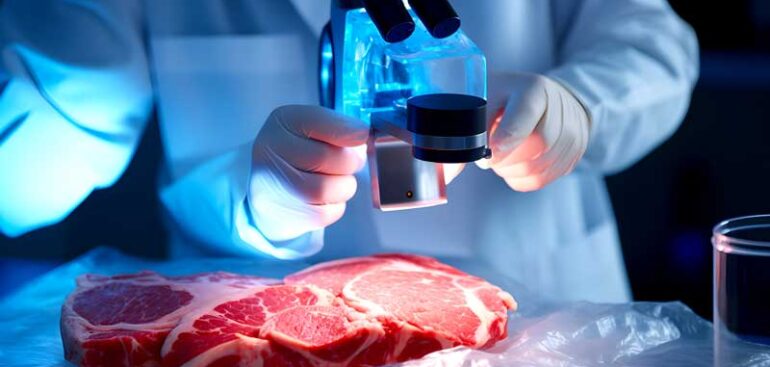
- Poultry, beef, pork and seafood processing
- Fresh produce washing
- Dairy and beverage production
- Breweries and wineries
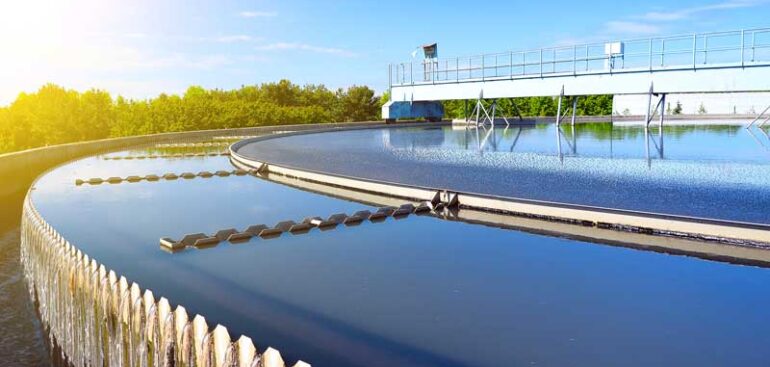
- Process water treatment
- Food-contact surface sanitation
- Select Clean-in-Place (CIP) applications
The Cheapest Sanitizer Can Become Your Most Expensive Decision
Chemical price is only one line on the budget. Production interruptions, equipment downtime, wastewater treatment, worker training and environmental reporting all influence the true cost of a sanitation program. Leading processors increasingly evaluate total operational value rather than cost per gallon.
The question is no longer whether to evaluate PAA—but where it can create measurable value in your operation. Peracetic acid isn’t intended to replace every traditional sanitizer, but its growing adoption reflects a broader shift toward smarter sanitation strategies.
Whether you’re expanding production, improving food safety protocols, reducing wastewater challenges or exploring more cost-effective solutions, Brainerd Chemical’s water treatment specialists can help evaluate where peracetic acid fits into your operation.
Brainred’s team works alongside food processors to develop practical, application-specific sanitation programs backed by technical expertise, dependable supply, and decades of experience serving North American industry. Contact Brainerd Chemical today to schedule a consultation with a member of the water treatment team and discover whether PAA is the right solution for your facility.