
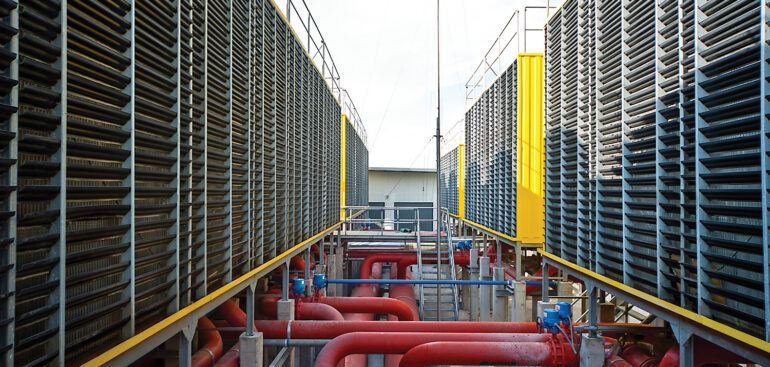
Time to Switch to PAA?

5 Reasons Wastewater Plants are Switching to PAA in 2026

For decades, chlorine gas and sodium hypochlorite were the undisputed kings of wastewater disinfection. But as we move through 2026, the regulatory and safety landscape has shifted. Between tightening EPA limits on Disinfection Byproducts (DBPs) and the rising costs of chemical risk management, plant managers are looking for a more stable, sustainable alternative.

At Brainerd Chemical Company, we’ve seen a surge in municipalities and industrial facilities adopting our Terrastat® line—a specialized PAA equilibrium mixture—to replace aging chlorine systems. Here are the five critical reasons why the “PAA Transition” is no longer a water treatment trend, but a standard for high-performing plants.

1. Elimination of Toxic Disinfection Byproducts (DBPs)

Chlorine’s biggest liability isn’t its cost; it’s its chemistry. When chlorine reacts with organic matter in effluent, it creates Trihalomethanes (THMs) and Haloacetic Acids (HAAs)—known carcinogens that are strictly monitored by the EPA.

The PAA Advantage: PAA decomposes into simple acetic acid (vinegar), water, and oxygen. It does not create halogenated DBPs. For plants struggling to meet stringent “Total Residual Chlorine” (TRC) limits, switching to PAA often removes the need for costly dechlorination chemicals like sodium bisulfite entirely.

2. Radical Improvement in Employee Safety

Managing chlorine gas requires heavy-duty Scba gear, complex leak detection systems, and high-stakes Risk Management Plans (RMP). Sodium hypochlorite, while safer than gas, is highly corrosive and prone to “off-gassing,” which can cause pump airlocks and hazardous spills.

The PAA Advantage: PAA is a liquid that is stable in storage and does not off-gas in the same manner as bleach. While it still requires proper handling (as any oxidizer does), it significantly lowers the RMP burden and reduces the physical footprint of safety equipment required on-site.

3. Reduced Infrastructure and Maintenance Costs

Chlorine systems are notoriously hard on equipment. The corrosive nature of bleach fumes eats through electrical panels, metal supports, and concrete over time. Furthermore, chlorine requires significant “contact time,” necessitating large, expensive contact chambers.

The PAA Advantage: PAA is a faster-acting disinfectant against specific pathogens. Many plants find they can increase their throughput without expanding their physical footprint because PAA achieves the required “kill” in less time than traditional methods.

Real-World Success: The PAA Shift in Action

  • Case Study: The Mid-South Municipal Facility A municipal plant in the Oklahoma/Arkansas region faced consistent fines for exceeding TRC limits. By transitioning to Terrastat® PAA, they eliminated their dechlorination stage completely. The result? A 22% reduction in annual chemical spend and a 100% compliance record over the first 18 months.
  • Case Study: Industrial Food Processor A large-scale poultry processor was struggling with the high organic load in their pre-treatment water. Chlorine was proving ineffective due to its sensitivity to pH levels. PAA, which remains effective across a wider pH range (3.0 to 9.0), allowed them to stabilize their discharge quality while reducing the amount of chemicals injected by 15%.

4. Environmental Stewardship and Aquatic Safety

Chlorine is highly toxic to fish and aquatic life, even at low concentrations. If a dechlorination system fails, the resulting “slug” of chlorine can cause devastating fish kills in receiving streams.

The PAA Advantage: Because PAA breaks down so rapidly into biodegradable components, the risk to downstream ecosystems is virtually zero. This makes it the preferred choice for plants discharging into sensitive watersheds or recreational waterways.

5. Simplified Regulatory Compliance

With the EPA’s 2026 focus on “Total Water Quality,” the paperwork associated with hazardous chemical storage is increasing.

The PAA Advantage: Using Brainerd’s Terrastat® line of products often allows facilities to stay below certain RMP thresholds that would otherwise be triggered by large-scale chlorine storage. We don’t just ship the chemical; our technical team helps you document the safety transition for your local regulators.

Decision Matrix: Is PAA Right for Your Plant?

Use this checklist to evaluate your current disinfection ROI.

FeatureChlorine/BleachTerrastat® PAA
EPA DBPs (THMs/HAAs)High RiskZero
Dechlorination Required?YesNo
pH SensitivityHigh (Ineffective > 8.0)Low (Effective up to 9.0)
Safety Regs (RMP)ExtensiveMinimal
Equipment CorrosionSevereModerate

The Brainerd Partnership

Transitioning to PAA is a strategic move, but it requires the right expertise. As a leader in high-hazard chemistry, Brainerd Chemical Company provides more than just the molecule. We provide the engineering support to ensure your feed systems are optimized for Terrastat®, ensuring you aren’t over-applying and wasting budget.

Ready to de-risk your plant? Reach out to Derk Pinkerton, Corporate Sales Supervisor – Water Treatment to learn more.

About Brainerd Chemical Company

Brainerd Chemical Company is a privately held chemical manufacturer and hybrid distributor specializing in high-hazard chemistries and complex supply chains. Headquartered in Tulsa, Oklahoma, the company operates facilities across the United States and serves customers worldwide.

Media Inquiries

Brainerd Chemical Company

📞 +1 (918) 622-1214

🌐 www.BrainerdChemical.com

PFAS: What’s Changing, What’s Emerging, and Why It Matters

PFAS reporting

BRIEF: EPA’s TSCA Section 8(a)(7) PFAS reporting rule now requires manufacturers and importers to begin reporting on April 13, 2026. The rule demands detailed, “reasonably ascertainable” data across uses, volumes, byproducts, exposure, and disposal. At the same time, attention is expanding to persistent degradation products like TFA. Together, these forces are pushing PFAS beyond compliance into transparency and risk management. Companies that organize product data now will be better positioned as deadlines—and scrutiny—approach.

PFAS oversight has become less linear and more unsettled. EPA’s TSCA Section 8(a)(7) reporting rule was designed to bring structure to how PFAS have been manufactured and used, but recent extensions and clarifications reflect how complex that task has proven to be in practice. For most manufacturers and importers, reporting begins April 13, 2026.

In November 2025, the EPA proposed changes to the scope of TSCA 8(a)(7) PFAS reporting regulations. Read the Federal Register Notice.  

The scope of what must be reported is broad. Companies are expected to submit information that is known to or reasonably ascertainable. This includes chemical identity, uses, production volumes, byproducts, worker exposure, disposal practices, and any available health or environmental data. Reporting must be completed electronically through EPA’s CDX system, which places additional emphasis on data readiness and internal coordination well before the submission window opens.

At the same time, the conversation is moving beyond familiar PFAS compounds. Trifluoroacetic acid (TFA) has appeared with increasing frequency in global water studies. It is not broadly regulated in the United States, but its prevalence has prompted questions about long-term environmental behavior and whether existing oversight frameworks are keeping pace with emerging science.

For manufacturers, this moment is less about compliance checklists and more about preparedness. Customers ask different questions than they did even a few years ago. They want to know what materials are present, how those materials persist, and what happens downstream. PFAS has shifted from a narrow regulatory topic to a broader transparency issue, touching procurement, product stewardship, and executive risk discussions—often well before regulators knock.

For customers paying closer attention to PFAS and emerging contaminants, Brainerd Chemical’s product portfolio reflects a practical advantage grounded in formulation discipline and documentation. The company emphasizes chemistries that meet performance needs without introducing unnecessary persistence concerns, supported by clear product data and traceability. In applications such as water treatment, sanitation, and industrial processing, this approach gives customers better visibility into what they are using and why—an increasingly important factor as reporting deadlines approach and expectations continue to sharpen.

Why this has become a board-level issue

The April 2026 reporting start date may seem distant, but the data required spans more than a decade of activity. Customers, auditors, and regulators are already pressing for clarity around inputs, intermediates, and byproducts—often earlier in the sourcing process.

PFAS compliance is no longer viewed solely as a regulatory requirement. It has become a measure of credibility—tied to how clearly a company understands its products, how well it documents them, and how confidently it can explain both today and five years from now.

Looking ahead

As the April 2026 reporting deadline approaches, the difference between manageable compliance and a costly scramble will come down to preparation. For many customers, Brainerd Chemical plays a quiet but important role in that process by reducing uncertainty early—through clear product documentation, consistent data, and chemistries designed with stewardship in mind. When suppliers can answer questions clearly, customers spend less time chasing historical data, reconciling gaps, or responding under pressure. That clarity doesn’t just support compliance; it saves time, limits disruption, and helps prevent the kind of last-minute reporting issues that turn regulatory obligations into operational crises.

Why Formaldehyde Matters in Poultry Feed Safety

Poultry feed production facility using formaldehyde-based food intervention controls

Feed safety is where food safety truly begins. Long before processing or packaging, controlling pathogens at the feed level plays a major role in protecting flock health and reducing downstream risk.

That’s where industrial formaldehyde comes in. Because of its powerfully effective characteristics, formaldehyde demands disciplined handling, accurate dosing, and dependable supply. Poultry operations don’t have room for variability or interruptions, especially when feed safety programs are tightly integrated into overall production schedules.

Effective intervention isn’t about reacting later. It’s about controlling risk early, consistently, and responsibly. That starts with the right formaldehyde supply partner. Brainerd Chemical is an ACD Responsible Distribution–verified supplier, a designation that reflects audited standards for safety, environmental responsibility, and supply-chain stewardship. In food intervention applications, that level of discipline helps reduce risk where it matters most. And, the Brainerd Chemical team supports poultry producers with consistent industrial formaldehyde supply backed by a strong focus on safe handling, packaging integrity, and logistics reliability. Customers benefit from a partner that understands both the chemistry and the operational realities of poultry feed manufacturing.

About Brainerd Chemical Company

Brainerd Chemical Company is a leading U.S. manufacturer and distributor of specialty and commodity chemicals. Our mission is simple yet powerful: to safely supply the solutions our customers need, the expertise they want, and the reliability they depend on—every single day.

Media Inquiries

Brainerd Chemical Company

📞 +1 (918) 622-1214

🌐 www.BrainerdChemical.com

Why Redundant Hydrogen Peroxide Supply Matters

Loading industrial hydrogen peroxide

Brief: Facilities that rely on a single hydrogen peroxide supply source face greater operational risk when supply tightens. With no new producers coming online and existing plants operating on aging infrastructure, even routine maintenance can disrupt production. This article explores why redundant sourcing, disciplined storage and handling, and reliable distribution partners are essential to maintaining operational continuity.

“In a tight market, reliability comes from doing the fundamentals right every day,” says Derk Pinkerton, Corporate Sales Supervisor. “Redundant supply only works if the chemistry, the equipment, and the people handling it are aligned. Stewardship is what keeps all three working together when conditions get challenging.”

Hydrogen peroxide is one of those chemicals most operations don’t think about until it becomes a problem. It supports essential processes across water treatment, manufacturing, energy production, pulp and paper, and environmental remediation. It works cleanly, reacts predictably, and often sits quietly in the background doing exactly what it’s supposed to do.

What has changed is the market that supports it. With no meaningful new domestic producers entering the market, and much of the existing capacity depends on aging production assets. Many facilities are operating near their practical limits, which leaves little room to absorb disruptions. When a producer goes down for planned maintenance or unexpected equipment issues, availability can tighten quickly. For operations that rely on hydrogen peroxide as a core process input, this isn’t just a purchasing concern. It’s an operational risk. Unlike some bulk chemicals, hydrogen peroxide cannot be stockpiled indefinitely. It degrades over time, and storage conditions must be carefully controlled. That reality limits how much buffer inventory a facility can realistically carry and places more importance on the reliability of the supply chain itself.

Facilities that depend on a single producer or distribution path are often the first to feel pressure when supply tightens. Delayed deliveries, spot-market pricing, and last-minute substitutions can disrupt production schedules and create downstream compliance challenges. In some cases, the impact isn’t measured in days, but in hours.

Redundant supply planning helps reduce that exposure. Working with qualified distributors who maintain multiple sourcing options, flexible packaging formats, and established logistics networks allows operations to stay ahead of disruptions rather than react to them.

Storage and handling practices also play a role in supply continuity. Contamination, incompatible materials, or poor temperature control can accelerate decomposition and take equipment or inventory out of service. In a constrained market, losing usable product to preventable issues adds unnecessary strain.

Transportation discipline matters just as much. Properly trained drivers, dedicated equipment, and thoughtful delivery scheduling help minimize on-site dwell time and reduce risk during transfer. Reliable distribution is not separate from process safety. It is part of it.

As hydrogen peroxide demand continues across critical industries, the question is no longer whether supply disruptions will happen, but how prepared facilities are when they do. Redundant sourcing, responsible distribution, and proactive planning help ensure hydrogen peroxide remains a dependable tool rather than a vulnerability.

For many facilities, redundant supply planning starts with choosing the right distribution partner. Brainerd Chemical Company supports industrial hydrogen peroxide customers through a diversified supply network designed to reduce single-point failures. Brainerd Chemical provides hydrogen peroxide in concentrations ranging from 1-50% that includes access to multiple qualified production sources, dedicated peroxide-compatible equipment, and flexible packaging options ranging from drums and totes to bulk deliveries.

Just as important is Brainerd’s stewardship approach. Storage compatibility, contamination prevention, transportation discipline, and customer training are treated as part of supply reliability, not separate safety checkboxes. By aligning operational knowledge with a focus on responsible distribution, Brainerd helps customers maintain continuity, protect on-site systems, and avoid the downstream impacts that occur when peroxide supply becomes constrained at the wrong moment.

Why the Next Decade Belongs to Agile Chemical Producers

Brief: Chemical manufacturing is facing a rare convergence of pressure and possibility. Persistent supply chain volatility, regulatory delays, workforce gaps, and rising capital costs continue to strain reliability. Yet these same forces are increasing the value of operational discipline, technical partnership, and responsive problem-solving. Customers across nearly every sector now prioritize certainty, stewardship, and specialty capability over low-cost sourcing. This shift gives agile chemical producers—especially mid-sized U.S. manufacturers with flexible assets and strong safety culture—a unique competitive advantage in the decade ahead.

The State of Chemical Manufacturing: What’s Holding Us Back—and What Has Me More Optimistic Than Ever

The last several years have rewritten the operating environment for chemical manufacturers. Supply chain instability, regulatory uncertainty, talent shortages, and capital pressures have forced companies to rethink how they plan, produce, and deliver critical chemicals. Yet despite these headwinds, the fundamentals of the North American market have never been stronger.

Across nearly every sector – energy, water treatment, food processing, electronics, and industrial manufacturing – customers are prioritizing reliability over low-cost sourcing. For mid-sized U.S. producers, that shift represents a generational opportunity.

Operational Pressure Is Reshaping the Industry

Operational constraints are real and unavoidable—volatile logistics, extended permitting timelines, retiring technical talent, and rising equipment costs all shape how chemical companies plan and produce. But these pressures are also redrawing the competitive map. In this environment, agile chemical producers—particularly mid-sized manufacturers—are increasingly positioned to outperform larger, slower-moving competitors. Their advantage is structural: they can reconfigure production faster, make decisions without layers of bureaucracy, and respond to customer disruptions in real time. This agility allows them to maintain reliability even when the broader system is strained, reinforcing their value as dependable partners in an unpredictable market. As pressures intensify, it’s the companies capable of combining discipline, speed, and safety that will define the new standard for operational excellence.

Specialty and Stewardship-Driven Growth Outpacing Commodities

While commodity markets remain cyclical, specialty chemistry is accelerating:

  • Oil & gas biocides (particularly PAA)
  • Water treatment chemistries
  • Food-grade and high-purity blends
  • Electronics-support chemicals
  • Custom formulations and toll manufacturing

Growth in these sectors favors manufacturers with flexible assets, strong engineering rigor, and a culture built around quality and compliance. Customers increasingly want more than product—they want process knowledge, documentation, technical support, and transparent guidance on storage, handling, and safety.

Safety, Compliance, and Culture as Competitive Advantages

In a tightening regulatory landscape, companies with mature safety systems and strong environmental stewardship are separating themselves from the field. Compliance has become a sales advantage. Reliability has become brand equity. And transparency—real transparency—is now a differentiator.

This evolution aligns with broader reshoring trends. Domestic producers capable of delivering consistent quality, providing technical partnerships, and maintaining rigorous safety programs are steadily capturing market share from international suppliers.

Technology Is Providing Leverage Where It Matters Most

Automation, digital inventory tracking, AI-assisted maintenance, and upgraded QC analytics are improving throughput, reducing unplanned downtime, and elevating the precision of specialty production. These tools enable mid-sized manufacturers to operate with large-scale discipline while retaining agility.

Technology is not replacing chemical expertise — it’s amplifying it.

Relationships Remain the Industry’s Most Influential Variable

Despite technological advances, the core of the business remains unchanged: trust. Customers want suppliers who answer the phone, solve problems quickly, and communicate realities—not excuses. In an environment of volatility, the companies that are dependable will be the companies that grow.

A Market Defined by Discipline and Opportunity

Chemical manufacturing in North America is unmistakably at an inflection point. The companies that will define the next decade won’t be those with the largest assets—they’ll be the ones with the discipline to operate consistently, the safety culture to protect people and communities, and the agility to adapt faster than the pressures reshaping our industry. The constraints are real, but so are the opportunities.

Mid-sized, operationally strong producers now have a unique window to earn market share by demonstrating what customers value most: reliable performance, transparent communication, and fast, confident problem-solving when it matters most.

At Brainerd Chemical, we believe the future of chemical manufacturing is being shaped right now by agile producers committed to three fundamentals:

  1. A relentless focus on safety, reliability, and transparency.
  2. Delivering consistent quality backed by deep technical partnership.
  3. Investing in the people, processes, and capabilities that support customers for the long term.

By providing certainty in an unpredictable environment—and by executing those fundamentals every day—Brainerd Chemical is the agile manufacturer setting the standard for what’s next.

5 Reasons Wastewater Plants Are Switching to Peracetic Acid

Brief: Brainerd Chemical Company is a trusted national leader in peracetic acid (PAA) supply, helping wastewater facilities meet tightening regulatory and sustainability demands with confidence. Through strategically located production sites, rigorous quality control, and responsive logistics, Brainerd ensures reliable, high-purity PAA delivery nationwide. Its technical experts provide hands-on guidance—from pilot testing to safety and compliance—making PAA adoption seamless, efficient, and future-ready for municipalities and industrial operators alike.


Across the U.S., wastewater treatment facilities are re-evaluating their disinfection methods in response to tighter regulatory limits, sustainability goals, and safety concerns. Peracetic acid (PAA) is rapidly emerging as a preferred solution—offering powerful microbial control, minimal by-products, and simplified operations compared to traditional chlorine-based systems. This article explores why so many municipalities and industrial plants are making the switch, how PAA supports permit compliance, and how Brainerd Chemical Company is leading the way with reliable supply, technical guidance, and unmatched expertise in PAA applications.

Regulatory Pressures Are Driving Change

Tightening effluent limits and stricter NPDES permit conditions have forced utilities to reconsider their legacy disinfectants. Traditional chlorination, while effective, often produces halogenated disinfection by-products (DBPs) such as trihalomethanes (THMs) and haloacetic acids (HAAs)—compounds that are increasingly restricted due to their toxicity and persistence in aquatic ecosystems.
PAA, by contrast, decomposes into oxygen, water, and acetic acid, leaving virtually no harmful residuals. This makes it easier for wastewater facilities to meet evolving discharge requirements and avoid DBP-related violations.
In many states, regulators now actively encourage utilities to evaluate non-chlorine disinfection methods. PAA’s strong oxidation potential and rapid microbial kill rate make it one of the most permit-friendly options available—particularly for plants facing low toxicity limits or sensitive receiving waters.

Simplified Operations and Reduced Chemical Handling Risks

Unlike chlorine gas or sodium hypochlorite, PAA does not require specialized gas storage systems, de-chlorination chemicals, or complex feed controls.
Because it is a liquid, ready-to-use oxidant, PAA can be fed directly into existing contact chambers with minor infrastructure modifications. This simplicity translates into less operator exposure, lower capital investment, and fewer moving parts to maintain.
Facilities that transition from chlorine and sulfur dioxide systems also enjoy improved safety profiles, eliminating the hazards associated with toxic gas cylinders and leak detection systems.

Proven Performance and Flexibility Across Wastewater Types

PAA’s efficacy is well documented in both municipal and industrial wastewater systems. Its broad-spectrum antimicrobial action effectively neutralizes bacteria, viruses, and spores—even in high-solids, low-clarity, or variable-pH environments.
PAA’s disinfection mechanism is based on oxidation; it remains effective over a wide range of organic loads and maintains residual power even when other disinfectants are inhibited by ammonia or nitrogen compounds.
In addition, the fast reaction kinetics of PAA mean that many facilities can achieve target log-reductions with shorter contact times, enabling higher throughput and better operational flexibility during peak flow events.

Lower Lifecycle Costs and Fewer Permit Headaches

Although the chemical cost per gallon of PAA may initially appear higher than chlorine, the total cost of ownership often favors PAA when safety, de-chlorination, maintenance, and regulatory compliance are considered.
For example, eliminating sodium bisulfite for de-chlorination can reduce both chemical consumption and storage complexity, while minimizing operator training requirements.
Equally important: the elimination of DBPs and residual chlorine in effluent often helps facilities avoid expensive permit violations, costly remediation, or negative public scrutiny.

A Sustainable, Future-Proof Choice

Sustainability is becoming a core KPI for wastewater utilities. PAA’s eco-friendly breakdown products—oxygen, water, and acetic acid—align perfectly with green infrastructure and ESG goals.
Unlike chlorine, PAA leaves little to offers a scalable, sustainable solution that aligns with no halogenated footprint, making it the preferred option for facilities that discharge into sensitive aquatic habitats or supply reclaimed water for reuse. As utilities face increasing pressure to modernize infrastructure and minimize chemical hazards, PAA represents a scalable, sustainable solution that fits both regulatory and environmental priorities.

Meeting Compliance with Confidence

Regulatory momentum continues to build in favor of peracetic acid. State environmental agencies and the U.S. EPA are recognizing its potential as a safe, effective alternative that meets both microbial and toxicity standards without contributing to chlorinated by-products.
For municipalities preparing for permit renewals or plant upgrades, now is the time to evaluate pilot testing and document performance data. Early adopters have already demonstrated reliable disinfection performance across a variety of wastewater matrices, paving the way for broader regulatory acceptance nationwide.

Brainerd Chemical Is Your Trusted PAA Supply Partner

When reliability, regulatory expertise, and on-time delivery matter most, Brainerd Chemical stands as the nation’s benchmark for peracetic acid (PAA) supply and support. With more than a century of chemical manufacturing experience and one of the industry’s most robust distribution footprints, Brainerd Chemical delivers consistency, safety, and performance that utilities can depend on.

From production through delivery, every stage of Brainerd’s PAA program is designed for quality assurance and continuity of supply. The company’s strategically located facilities—including regional production and transloading hubs—allow rapid fulfillment to wastewater treatment facilities across the U.S., minimizing lead times and transportation costs. Advanced storage, blending, and packaging capabilities ensure that every gallon meets strict purity standards, backed by rigorous testing and quality control.

Beyond supply, Brainerd Chemical partners with clients to ensure successful PAA adoption and optimization. Its technical experts offer field-level assistance, pilot testing guidance, dosage calibration, safety and handling training, and regulatory compliance support—helping operators integrate PAA seamlessly into existing systems. This consultative approach ensures plants achieve consistent microbial control, predictable costs, and permit ready performance with minimal operational disruption.

In an industry where downtime is costly and compliance is non-negotiable, Brainerd Chemical’s scale, reliability, and service excellence make it the trusted PAA partner for municipalities and industrial operators nationwide.

A Stronger Tomorrow Through Smarter Wastewater Treatment

Peracetic acid (PAA) represents a decisive step forward for organizations interested in advancing sustainability, protecting operators, and safeguarding communities. By eliminating halogenated by-products, reducing chemical handling risks, and simplifying compliance, PAA helps facilities operate more safely and sustainably while maintaining exceptional microbial control.

For utilities facing aging infrastructure, tighter permit renewals, or public pressure to reduce risks, PAA offers a future-proof path that aligns operational efficiency with environmental responsibility. Facilities that make the switch gain more than just regulatory peace of mind—they gain operational resilience, community trust, and a disinfection strategy built for tomorrow’s standards.

With Brainerd Chemical as a supply partner, wastewater operators can count on reliable delivery, deep technical support, and industry expertise that turns the promise of PAA into real-world performance. Together, these advantages make PAA not only a better disinfectant, but a smarter investment in the future of clean water.

About Brainerd Chemical Company

Brainerd Chemical Company is one of the nation’s leading chemical manufacturers and distributors, supporting industries from energy and agriculture to water treatment and manufacturing. We combine proven expertise with innovative packaging, logistics, and service solutions to help our partners achieve efficiency, safety, and long-term success.

Why PAA Biocides Outperform Glutaraldehyde

Glutaraldehyde’s regulatory future in oilfield water treatment is uncertain. Peracetic acid (PAA) biocides fuel a safer, effective, and future-ready alternative to protect operations, reduce compliance risks, and align with ESG goals. Learn why oilfield leaders are shifting to PAA biocides for compliance, performance, and ESG advantage.

Oilfield water management is entering a new era. What used to be a straightforward “dose-and-go” choice is now a boardroom discussion about regulatory exposure, ESG optics, worker safety, and long-term cost. In that conversation, glutaraldehyde (GA) is increasingly the weak link—while peracetic-acid (PAA) biocides are proving to be the essential, safe, effective, and future-ready alternative.

A practical brief follows to help leadership, specifying engineers, procurement teams, and well-servicers who want to increase responsible operations and future-proof against regulatory risks.


The squeeze on glutaraldehyde is real—and growing

Worker safety pressure is mounting. Respiratory and skin contact risks are continually more demanding and costly.

Regulatory reviews aren’t going away. In the U.S., EPA’s ongoing registration review program for pesticides (including industrial biocides) can impose new mitigation requirements—PPE, engineering controls, label changes, or use restrictions—mid-cycle. GA’s review docket remains active, which means additional compliance steps may still be required as updates publish. Planning for alternatives now reduces change-order chaos later.

Environmental scrutiny is intensifying. Peer-reviewed literature has highlighted the aquatic toxicity and fate concerns of several oilfield biocides, including GA, fueling pressure from regulators and stakeholders to curb persistent, toxic residuals in discharge and recycle streams.

Bottom line: Even before any outright restrictions, the cumulative burden—exposure controls, monitoring, training, reporting, and reputational risk—pushes GA’s true cost higher each year.


Why PAA biocides are the future-ready standard

Clean breakdown, minimal residues. PAA decomposes rapidly into acetic acid, oxygen, and water, leaving no halogenated or persistent byproducts. That’s powerful for recycled frac water, produced-water reuse, and discharge optics—exactly where ESG and permit pressure converge.

Broad-spectrum, fast kill—including SRB and biofilms. Field and lab studies show PAA’s strong activity against sulfate-reducing bacteria (SRB), key H₂S generators and corrosion drivers. Reports from oilfield trials and independent studies demonstrate efficacy in complex waters and even within sessile communities where other oxidants struggle.

Operationally compatible. PAA is used across industrial water treatment precisely because it works in variable pH and temperature windows and coexists with common oilfield chemistries (FRs, scale inhibitors) when applied correctly. This reduces the risk of chemistry conflicts that derail pad schedules.

Worker-safety advantages. As an oxidizing biocide with rapid decay, PAA minimizes long-lived residual exposure. Its well-understood decomposition profile simplifies containment and incident response relative to sensitizers. (Safe handling is still essential—PAA is a strong oxidizer and corrosive—but the exposure narrative is fundamentally different.)

ESG-aligned without sacrificing performance. For operators publishing sustainability metrics, “no persistent biocidal residues” and “lower aquatic-toxicity footprint in treated effluents” are benefits that resonate with investors and communities—without compromising bacterial control.


Total cost of ownership: where PAA wins

1) Compliance drag: As GA-related controls tighten, compliance cost grows (monitoring, respiratory programs, training, incident reporting). PAA’s profile reduces that overhead.

2) Performance risk: SRB-driven corrosion and souring are seven-figure problems. PAA’s fast oxidation and biofilm penetration reduce re-treat cycles, H₂S incidents, and downtime.

3) Water-reuse economics: PAA’s rapid decomposition supports recycle targets by limiting carry-over residuals that can foul later stages—improving reuse rates and chemistry reliability.


Application guidance: where to specify PAA


    • On-the-fly frac water treatment: Dose for rapid broad-spectrum knockdown; verify with ATP/bug counts and residual monitoring.


    • Pond/impoundment control & H₂S mitigation: Periodic PAA shock or continuous low-dose to manage SRB and odors; integrate with aeration for best results.


    • Produced-water recycle loops: Target kill while minimizing residuals that impact separation and midstream handling.


Design considerations


    • Demand & dose: Run quick-kill demand tests against site water to map required PAA dose (accounting for COD/sulfides).


    • Contact time: PAA works fast; on-the-fly setups should ensure adequate mixing and seconds-to-minutes of contact before the wellhead.


    • Monitoring: Track kill with ATP or culture methods; confirm PAA residual decay to protect downstream chemistries and equipment.


The strategic takeaway

You don’t need a ban to feel the pinch. GA’s sensitizer classification, safety ceilings, and the drumbeat of regulatory review create ongoing compliance drag and reputational risk. PAA offers the inverse: robust performance against the bugs that matter (including SRB), rapid, clean decomposition, and an ESG-aligned story your stakeholders can endorse. Moving now locks in operational reliability and regulatory resilience for the years ahead. If you’re ready to evaluate a PAA program—bench tests, pad trial design, spec language, and full changeover—Brainerd Chemical can help you build a plan that meets your HSE, performance, and cost targets.


Partner With the Future of Oilfield Water Treatment

For energy leaders, staying ahead of risk isn’t just about compliance—it’s about choosing solutions that safeguard people, protect assets, and deliver lasting performance. With Brainerd Chemical Company, you gain more than a supplier. You gain a partner committed to innovation, safety, and reliability in every drop of chemistry we deliver.

Our PAA-based biocide programs are engineered to help you meet today’s operational challenges and tomorrow’s regulatory expectations—reducing downtime, streamlining water reuse, and strengthening ESG performance.

Let’s talk about your next project. Contact our technical specialists today at +1 (918) 622-1214 to learn how Brainerd Chemical Company can help you build safer, cleaner, and future-ready operations.


About Brainerd Chemical Company

Brainerd Chemical Company is a leading U.S. manufacturer and distributor of specialty and commodity chemicals, serving energy, agriculture, water treatment, and manufacturing industries. Our mission is simple: to safely supply the solutions you need, the support you want, and the reliability you depend on—every single day.


[/vc_column_text][/vc_column][/vc_row]

Highlights from ChemEdge 2025

Louisville, KY – August 18, 2025 — Last week, leaders from across the chemical distribution industry gathered for ChemEdge 2025, one of the year’s most anticipated events hosted by the Alliancefor Chemical Distribution (ACD). The energy was high, the conversations meaningful, and the outlook for the future of our industry brighter than ever.

Brainerd Chemical Company was proud to participate once again as a Platinum Sustaining Sponsor, reaffirming our commitment to supporting the growth, innovation, and safety of the chemical distribution community.

Why ChemEdge Matters

ChemEdge is more than just a conference—it’s a hub where chemical industry professionals come together to:

  • Share knowledge on best practices, regulatory updates, and emerging technologies.
  • Build connections that strengthen our industry network and foster long-term partnerships.
  • Prepare for the future by tackling challenges head-on and identifying opportunities for innovation, sustainability, and growth.

For Brainerd Chemical, these pillars align directly with our mission: to safely supply our customers with the solutions they need, the expertise they want, and the reliability they depend on.

Our Takeaways from Louisville

This year’s ChemEdge offered more than just great sessions and conversations—it highlighted where the industry is headed. Key themes included:

  • Safety as the standard, not the exception. From new regulatory frameworks to practical on-site strategies, safety remains at the core of our industry.
  • Sustainability in action. Companies are finding innovative ways to lower environmental impact while improving efficiency.
  • The power of partnerships. The future of chemical distribution depends on collaboration across the supply chain, from producers to distributors to end-users.

Looking Ahead

We are energized by the insights, connections, and opportunities that came out of ChemEdge 2025. Events like this remind us why our work matters—not just for our company, but for the people, communities, and industries we serve.

As a platinum sponsor, we were honored to support ACD’s mission of advancing a safe, sustainable, and successful chemical distribution industry.

Here’s to another successful ChemEdge—and to building a stronger future, together.

About Brainerd Chemical Company

Brainerd Chemical Company is a leading U.S. manufacturer and distributor of specialty and commodity chemicals, serving critical industries including energy, agriculture, water treatment, and manufacturing. Our mission is to safely supply the solutions our customers need, the expertise they want, and the reliability they depend on—every single day.

👉 Did you attend ChemEdge 2025? We’d love to hear your biggest takeaway. Share your thoughts in the comments below.

Boosting Well Integrity with Peracetic-Acid Biocides

In today’s fracking landscape, ensuring well integrity isn’t just about production, it’s the frontline of return on investment (ROI), safety, and sustainable water management. Recent field investigations in the Permian Basin underscore how peracetic acid (PAA) based biocides are no longer an alternative to traditional chemical treatment methods — PAA is the benchmark providing a cleaner kill, faster and more responsibly.

ROI – Lower Costs, Higher Performance

PAA offers striking cost efficiency. Its high selectivity means much lower dosages are needed compared to bleach or chlorine dioxide, which require two to four times more product (epa.gov). This dosage reduction translates directly to lower chemical costs, reduced transportation expenses, and fewer logistical complexities at the well pad.

But the savings don’t stop there. By effectively controlling microbial-induced corrosion and H₂S-related damage, PAA helps prevent premature equipment failures and production slugging—yielding fewer interventions and better asset longevity.

Safety – Smarter Chemistry, Safer Operations

PAA decomposes into benign byproducts—oxygen, water, and acetic acid—so no harmful residuals linger in flowback or recycled frac water. The vinegar‑like odor acts as a natural leak detector during handling. Plus, being liquid at ambient conditions, it avoids the handling dangers posed by chlorine dioxide gas. Overall, PAA reduces exposure risks for field crews and minimizes environmental release threats.

Efficiency – Maximizing Water Management Potential

Effective water recycling is central to sustainable fracking. PAA shines here: it oxidizes iron sulfides and H₂S in flowback tanks, prevents biofilm build-up, and simplifies solids separation—all in one integrated step (researchgate.net). Operators have reported near-100% suspension of microbes and H₂S in recycled frac water, boosting reuse rates and slashing freshwater dependence.

Permian Basin Proof: A Real-World Study

A recent Permian Basin trial assessed oxidizers in real on-site water ponds. Through enzymatic ATP and AMP measurements, PAA showed superior microbial kill and significantly reduced regrowth risk compared to bleach or ClO₂—especially in high‑organic loading scenarios. Its lower reactivity with organics made it a clear winner.

Fracking-Specific Water Benefits

Pre-frac treatment: Treat frac water with PAA to suppress SRBs and biofilms before injection.

Mid-job addition: Inject during frack operations to immediately neutralize microbes and H₂S generated downhole.

Recycling cycles: Post-frac, PAA cleans residual contaminants—enhancing water quality for reuse.

Post-job maintenance: Periodic treatment prevents fouling or corrosion in frac tanks and pipelines.

This integrated approach not only safeguards wellbore integrity but also supports zero-discharge and full-cycle water reuse programs—especially critical in arid regions like the Permian.

Industry Shift to the Cleaner Kill

Major players are taking notice. Recently completed real-world completion fluid tests pitted peracetic acid–based biocides against conventional glutaraldehyde-based programs. The PAA treatment provided a cleaner kill exceeding microbial kill rates while lowering environmental persistence.

Takeaways for Frac Operators

BenefitImpact
Cost savingsReduced dosage → supply/logistics savings
Safety gainsSafer handling; no toxic residues
Operational uptimeFewer corrosion events and field interventions
Water sustainabilityCleaner recycled frac water, less freshwater usage

The Bottom Line

Peracetic acid isn’t just another biocide—it’s a strategic upgrade. From killing microbes to cutting costs and keeping crews safer, PAA checks every box for modern frac operations.Ready or not, PAA is no longer the alternative – it’s the benchmark.

About Brainerd Chemical Company

Brainerd Chemical Companies mission to safely supply our customers with the solutions they need, the support they want, and the reliability they depend on to meet the challenges they face every day.

Media Inquiries:

Brainerd Chemical Company:  1+ (918) 622-1214

SOURCE: Brainerd Chemical Company.

Inspiring Stewardship by Example

Brainerd Chemical sets the example for safe and responsible chemical handling.

Leadership in the chemical industry is best exemplified by those intentionally making a difference and inspiring others to adopt a values-first mindset by example.

In an industry where innovation and impact are often measured in efficiency and output, Brainerd Chemical Company is redefining leadership through a deeper commitment—stewardship. At the heart of this vision is Chairman Mathew Brainerd, whose values-driven leadership has positioned the company as a model for responsible manufacturing, sustainable growth, and community engagement.

For over six decades, Brainerd Chemical has played a pivotal role in providing high-quality chemical solutions to industries ranging from oil and gas to agriculture and water treatment. But beyond its business performance, what sets the company apart is its culture of accountability, safety, and service—a culture shaped by Mathew Brainerd himself.

“Leadership in chemicals isn’t just about delivering product—it’s about how you do it, who you impact, and what legacy you leave,” says Mathew Brainerd. “We have a responsibility to our employees, our customers, and our communities to operate with purpose and integrity.”

Chemical manufacturers and suppliers must emphasize transparency, innovation, and continuous improvement. Lead with intention by pioneering safer chemical handling processes, investing in green technologies and responsible workforce development. Initiatives like advanced leak detection systems, minimized waste protocols, and energy-efficient facility upgrades are not just checkboxes—they’re active choices that reflect a values-first mindset.

Internally, Brainerd fosters a culture where safety and ethics are non-negotiable. Employees receive ongoing training, and every team member is empowered to speak up, suggest improvements, and take ownership of operational excellence. This people-first philosophy has earned the company high marks from regulators and partners alike.

“Real leadership,” says Brainerd, “is measured by the people you lift up and the paths you clear for others.

Under Brainerd’s leadership, the company has also become a beacon for civic engagement. Whether supporting STEM education, disaster relief, or workforce reentry programs, Brainerd Chemical sees giving back as part of its business DNA.

That ethos extends to the broader industry. Mathew Brainerd is a vocal advocate for responsible supply chains and ethical standards in chemical distribution. Through active involvement in industry associations and policy discussions, he’s helped shape best practices that benefit the entire sector—not just his own firm.

Mathew A. Brainerd, Chairman and owner of Brainerd Chemical Company, has held several leadership positions in prominent chemical associations:

  • National Association of Chemical Distributors (NACD): Brainerd has been actively involved with NACD since 2009, serving in various capacities including Chairman of the Government Affairs Committee (2009-2011), Treasurer (2011-2013), Vice Chairman (2013-2015), and Chairman (2015-2017).
  • International Council of Chemical Trade Associations (ICCTA): He served as Chairman from 2012 to 2014. In 2016, this organization transformed into the International Chemical Trade Association (ICTA), with Brainerd as a founding member.
  • Chemical Educational Foundation (CEF): Brainerd served as Treasurer from 2011 to 2013, contributing to educational initiatives in the chemical industry.
  • Rail-Shipper Transportation Advisory Council (RSTAC): In 2018, he was appointed to this council, which advises the U.S. Surface Transportation Board on issues related to rail transportation.

Perhaps most importantly, Brainerd’s example is inspiring the next generation of industry leaders. Through mentorship, collaboration, and visibility, he’s showing that success in chemical manufacturing is not at odds with responsibility—it is built on it.

In an age where corporate responsibility is no longer optional, Brainerd Chemical is proving that stewardship isn’t just good ethics—it’s good business. And with Mathew Brainerd at the helm, the company continues to lead not just with chemicals, but with character.

About Brainerd Chemical Company

Brainerd Chemical Companies mission to safely supply our customers with the solutions they need, the support they want, and the reliability they depend on to meet the challenges they face every day.

Media Inquiries:

Brainerd Chemical Company:  1+ (918) 622-1214

SOURCE: Brainerd Chemical Company.