Why PAA Biocides Outperform Glutaraldehyde

Glutaraldehyde’s regulatory future in oilfield water treatment is uncertain. Peracetic acid (PAA) biocides fuel a safer, effective, and future-ready alternative to protect operations, reduce compliance risks, and align with ESG goals. Learn why oilfield leaders are shifting to PAA biocides for compliance, performance, and ESG advantage.

Oilfield water management is entering a new era. What used to be a straightforward “dose-and-go” choice is now a boardroom discussion about regulatory exposure, ESG optics, worker safety, and long-term cost. In that conversation, glutaraldehyde (GA) is increasingly the weak link—while peracetic-acid (PAA) biocides are proving to be the essential, safe, effective, and future-ready alternative.

A practical brief follows to help leadership, specifying engineers, procurement teams, and well-servicers who want to increase responsible operations and future-proof against regulatory risks.


The squeeze on glutaraldehyde is real—and growing

Worker safety pressure is mounting. Respiratory and skin contact risks are continually more demanding and costly.

Regulatory reviews aren’t going away. In the U.S., EPA’s ongoing registration review program for pesticides (including industrial biocides) can impose new mitigation requirements—PPE, engineering controls, label changes, or use restrictions—mid-cycle. GA’s review docket remains active, which means additional compliance steps may still be required as updates publish. Planning for alternatives now reduces change-order chaos later.

Environmental scrutiny is intensifying. Peer-reviewed literature has highlighted the aquatic toxicity and fate concerns of several oilfield biocides, including GA, fueling pressure from regulators and stakeholders to curb persistent, toxic residuals in discharge and recycle streams.

Bottom line: Even before any outright restrictions, the cumulative burden—exposure controls, monitoring, training, reporting, and reputational risk—pushes GA’s true cost higher each year.


Why PAA biocides are the future-ready standard

Clean breakdown, minimal residues. PAA decomposes rapidly into acetic acid, oxygen, and water, leaving no halogenated or persistent byproducts. That’s powerful for recycled frac water, produced-water reuse, and discharge optics—exactly where ESG and permit pressure converge.

Broad-spectrum, fast kill—including SRB and biofilms. Field and lab studies show PAA’s strong activity against sulfate-reducing bacteria (SRB), key H₂S generators and corrosion drivers. Reports from oilfield trials and independent studies demonstrate efficacy in complex waters and even within sessile communities where other oxidants struggle.

Operationally compatible. PAA is used across industrial water treatment precisely because it works in variable pH and temperature windows and coexists with common oilfield chemistries (FRs, scale inhibitors) when applied correctly. This reduces the risk of chemistry conflicts that derail pad schedules.

Worker-safety advantages. As an oxidizing biocide with rapid decay, PAA minimizes long-lived residual exposure. Its well-understood decomposition profile simplifies containment and incident response relative to sensitizers. (Safe handling is still essential—PAA is a strong oxidizer and corrosive—but the exposure narrative is fundamentally different.)

ESG-aligned without sacrificing performance. For operators publishing sustainability metrics, “no persistent biocidal residues” and “lower aquatic-toxicity footprint in treated effluents” are benefits that resonate with investors and communities—without compromising bacterial control.


Total cost of ownership: where PAA wins

1) Compliance drag: As GA-related controls tighten, compliance cost grows (monitoring, respiratory programs, training, incident reporting). PAA’s profile reduces that overhead.

2) Performance risk: SRB-driven corrosion and souring are seven-figure problems. PAA’s fast oxidation and biofilm penetration reduce re-treat cycles, H₂S incidents, and downtime.

3) Water-reuse economics: PAA’s rapid decomposition supports recycle targets by limiting carry-over residuals that can foul later stages—improving reuse rates and chemistry reliability.


Application guidance: where to specify PAA


    • On-the-fly frac water treatment: Dose for rapid broad-spectrum knockdown; verify with ATP/bug counts and residual monitoring.


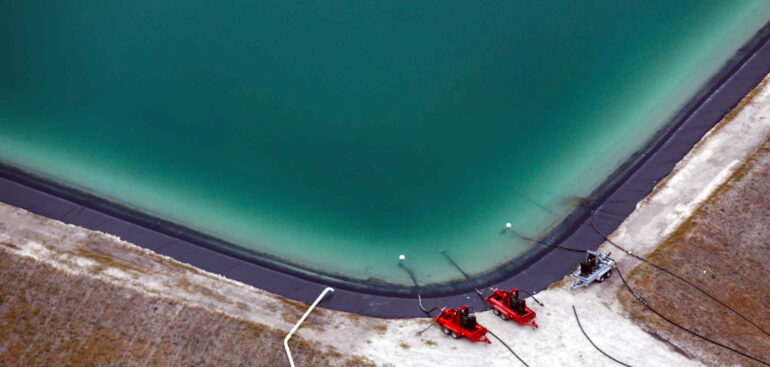
    • Pond/impoundment control & H₂S mitigation: Periodic PAA shock or continuous low-dose to manage SRB and odors; integrate with aeration for best results.


    • Produced-water recycle loops: Target kill while minimizing residuals that impact separation and midstream handling.


Design considerations


    • Demand & dose: Run quick-kill demand tests against site water to map required PAA dose (accounting for COD/sulfides).


    • Contact time: PAA works fast; on-the-fly setups should ensure adequate mixing and seconds-to-minutes of contact before the wellhead.


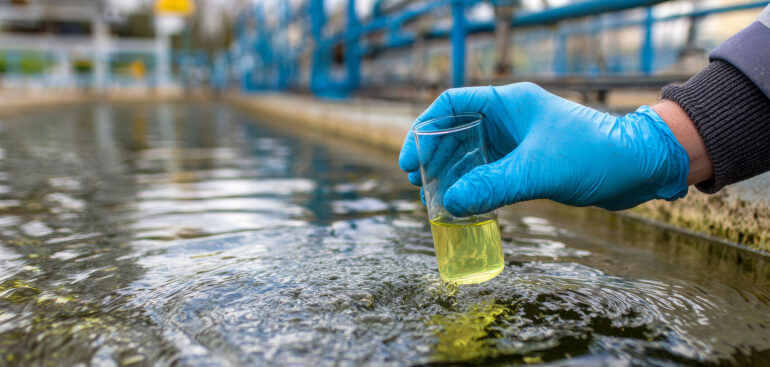
    • Monitoring: Track kill with ATP or culture methods; confirm PAA residual decay to protect downstream chemistries and equipment.


The strategic takeaway

You don’t need a ban to feel the pinch. GA’s sensitizer classification, safety ceilings, and the drumbeat of regulatory review create ongoing compliance drag and reputational risk. PAA offers the inverse: robust performance against the bugs that matter (including SRB), rapid, clean decomposition, and an ESG-aligned story your stakeholders can endorse. Moving now locks in operational reliability and regulatory resilience for the years ahead. If you’re ready to evaluate a PAA program—bench tests, pad trial design, spec language, and full changeover—Brainerd Chemical can help you build a plan that meets your HSE, performance, and cost targets.


Partner With the Future of Oilfield Water Treatment

For energy leaders, staying ahead of risk isn’t just about compliance—it’s about choosing solutions that safeguard people, protect assets, and deliver lasting performance. With Brainerd Chemical Company, you gain more than a supplier. You gain a partner committed to innovation, safety, and reliability in every drop of chemistry we deliver.

Our PAA-based biocide programs are engineered to help you meet today’s operational challenges and tomorrow’s regulatory expectations—reducing downtime, streamlining water reuse, and strengthening ESG performance.

Let’s talk about your next project. Contact our technical specialists today at +1 (918) 622-1214 to learn how Brainerd Chemical Company can help you build safer, cleaner, and future-ready operations.


About Brainerd Chemical Company

Brainerd Chemical Company is a leading U.S. manufacturer and distributor of specialty and commodity chemicals, serving energy, agriculture, water treatment, and manufacturing industries. Our mission is simple: to safely supply the solutions you need, the support you want, and the reliability you depend on—every single day.


[/vc_column_text][/vc_column][/vc_row]

Boosting Well Integrity with Peracetic-Acid Biocides

In today’s fracking landscape, ensuring well integrity isn’t just about production, it’s the frontline of return on investment (ROI), safety, and sustainable water management. Recent field investigations in the Permian Basin underscore how peracetic acid (PAA) based biocides are no longer an alternative to traditional chemical treatment methods — PAA is the benchmark providing a cleaner kill, faster and more responsibly.

ROI – Lower Costs, Higher Performance

PAA offers striking cost efficiency. Its high selectivity means much lower dosages are needed compared to bleach or chlorine dioxide, which require two to four times more product (epa.gov). This dosage reduction translates directly to lower chemical costs, reduced transportation expenses, and fewer logistical complexities at the well pad.

But the savings don’t stop there. By effectively controlling microbial-induced corrosion and H₂S-related damage, PAA helps prevent premature equipment failures and production slugging—yielding fewer interventions and better asset longevity.

Safety – Smarter Chemistry, Safer Operations

PAA decomposes into benign byproducts—oxygen, water, and acetic acid—so no harmful residuals linger in flowback or recycled frac water. The vinegar‑like odor acts as a natural leak detector during handling. Plus, being liquid at ambient conditions, it avoids the handling dangers posed by chlorine dioxide gas. Overall, PAA reduces exposure risks for field crews and minimizes environmental release threats.

Efficiency – Maximizing Water Management Potential

Effective water recycling is central to sustainable fracking. PAA shines here: it oxidizes iron sulfides and H₂S in flowback tanks, prevents biofilm build-up, and simplifies solids separation—all in one integrated step (researchgate.net). Operators have reported near-100% suspension of microbes and H₂S in recycled frac water, boosting reuse rates and slashing freshwater dependence.

Permian Basin Proof: A Real-World Study

A recent Permian Basin trial assessed oxidizers in real on-site water ponds. Through enzymatic ATP and AMP measurements, PAA showed superior microbial kill and significantly reduced regrowth risk compared to bleach or ClO₂—especially in high‑organic loading scenarios. Its lower reactivity with organics made it a clear winner.

Fracking-Specific Water Benefits

Pre-frac treatment: Treat frac water with PAA to suppress SRBs and biofilms before injection.

Mid-job addition: Inject during frack operations to immediately neutralize microbes and H₂S generated downhole.

Recycling cycles: Post-frac, PAA cleans residual contaminants—enhancing water quality for reuse.

Post-job maintenance: Periodic treatment prevents fouling or corrosion in frac tanks and pipelines.

This integrated approach not only safeguards wellbore integrity but also supports zero-discharge and full-cycle water reuse programs—especially critical in arid regions like the Permian.

Industry Shift to the Cleaner Kill

Major players are taking notice. Recently completed real-world completion fluid tests pitted peracetic acid–based biocides against conventional glutaraldehyde-based programs. The PAA treatment provided a cleaner kill exceeding microbial kill rates while lowering environmental persistence.

Takeaways for Frac Operators

BenefitImpact
Cost savingsReduced dosage → supply/logistics savings
Safety gainsSafer handling; no toxic residues
Operational uptimeFewer corrosion events and field interventions
Water sustainabilityCleaner recycled frac water, less freshwater usage

The Bottom Line

Peracetic acid isn’t just another biocide—it’s a strategic upgrade. From killing microbes to cutting costs and keeping crews safer, PAA checks every box for modern frac operations.Ready or not, PAA is no longer the alternative – it’s the benchmark.

About Brainerd Chemical Company

Brainerd Chemical Companies mission to safely supply our customers with the solutions they need, the support they want, and the reliability they depend on to meet the challenges they face every day.

Media Inquiries:

Brainerd Chemical Company:  1+ (918) 622-1214

SOURCE: Brainerd Chemical Company.

Sustainability: The Evolution of Water Treatment

Water treatment has come a long way from its early days of simple filtration and chlorination. Today, advanced technologies and sustainable chemical solutions are employed to address a wide range of contaminants and ensure water safety. Brainerd Chemical is proud to lead the way in developing biodegradable and non-toxic chemicals and processes to help our customers achieve more responsible water treatment operations.

The Rise of Peracetic Acid

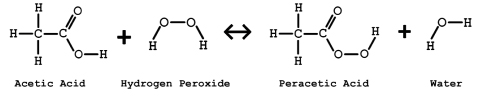
Peracetic acid (PAA) is an organic peroxide with strong oxidizing properties. It is produced by reacting acetic acid with hydrogen peroxide. PAA has gained popularity in water treatment due to its effectiveness, versatility, and environmental benefits.

PAA is a broad-spectrum disinfectant that is highly effective against a wide range of microorganisms, including bacteria, viruses, and fungi. Its strong oxidizing potential allows it to break down cell walls and disrupt cellular functions, leading to rapid disinfection¹.

Unlike chlorine-based disinfectants, PAA does not produce harmful disinfection by-products. This is a significant advantage, as DBPs like trihalomethanes (THMs) and haloacetic acids (HAAs) have been associated with health risks².

PAA decomposes quickly into acetic acid, water, and oxygen, leaving no harmful residues. This makes it an environmentally friendly option for water treatment². And, PAA maintains its efficacy across a wide pH range and is less affected by the presence of organic matter compared to other disinfectants. This makes it suitable for diverse water treatment applications¹.

Applications of Peracetic Acid

Peracetic acid’s versatility makes it a valuable tool increasingly used for water treatment due to its effectiveness and environmental benefits. A wide range of industries use PAA to improve operational efficiency and achieve greater environmentally responsible operations such as:

Municipal Wastewater Treatment

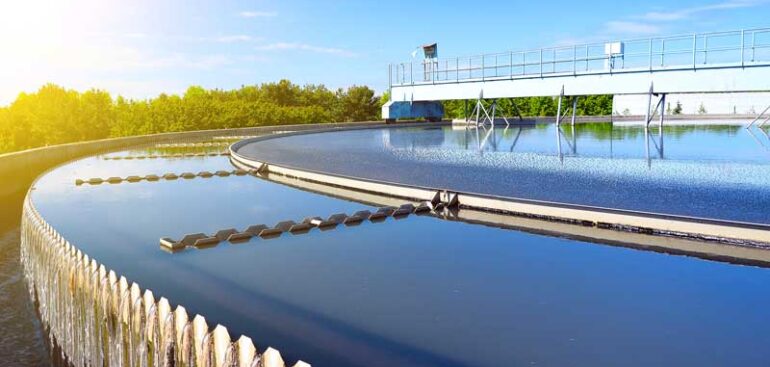
PAA is increasingly used in municipal wastewater treatment plants to disinfect effluent before discharge into water bodies. Its rapid action and minimal environmental impact make it an attractive alternative to chlorine².

Food and Beverage Industry

In the food and beverage industry, PAA is used to sanitize equipment, surfaces, and packaging materials. Its ability to break down into harmless by-products ensures that there is no risk of contamination³.

Oil & Gas

PAA is use as a biocide to control bacteria in water systems, reduce microbial contamination, control hydrogen sulfide levels, reduce iron sulfide emulsions and scale, as well as treat produced and flow-back water allowing for more sustainable operations that are less dependent upon fresh water.

Healthcare

PAA is employed in healthcare settings for sterilizing medical instruments and surfaces. Its broad-spectrum antimicrobial activity and rapid action are crucial for maintaining hygiene and preventing infections³.

Pulp and Paper Industry

PAA is used for bleaching and disinfecting paper products. Its strong oxidizing properties help achieve high levels of whiteness and microbial control⁴.

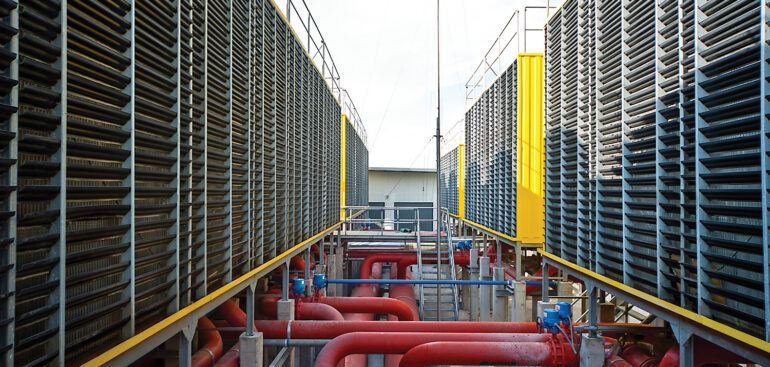
Cooling Towers

PAA is used in cooling towers to control microbial growth and biofilm formation. Its effectiveness in varying water conditions and rapid decomposition make it a preferred choice for maintaining system efficiency⁴.

Challenges and Future Prospects

Peracetic acid (PAA) is a safe and powerful oxidizing agent offering significant benefits. The Brainerd Chemical team helps our customers expand the use of this eco-friendly solution by overcoming commonly perceived challenges:

Handling and Safety Concerns

   – Challenge: PAA is a potent chemical that requires careful handling to prevent skin burns, respiratory issues, or other safety hazards.

   – Solution: Proper safety protocols, including the use of personal protective equipment (PPE), adequate ventilation, and proper storage practices, are critical. Additionally, training workers on safe handling procedures and emergency response can minimize risks.

Stability and Storage

   – Challenge: PAA can decompose over time, especially when exposed to light or heat, which reduces its effectiveness.

   – Solution: PAA should be stored in cool, dark conditions and used within its shelf life. Manufacturers often provide stabilized formulations of PAA to extend its stability.

Odor and Byproducts

   – Challenge: PAA has a strong vinegar-like odor, which can be unpleasant and may cause discomfort. It can also produce acetic acid and other byproducts that may affect water quality or require further treatment.

   – Solution: Proper dosing and ventilation can minimize odor issues. Additionally, the use of activated carbon or other treatment methods can help remove unwanted byproducts from treated water.

Dosing and Control

   – Challenge: Precise dosing of PAA is essential for effective treatment without overuse, which can lead to excess residuals or unwanted side reactions.

   – Solution: Automated dosing systems with real-time monitoring can ensure accurate application of PAA. These systems can adjust the dosage based on the water’s characteristics, such as organic load or microbial count, to optimize effectiveness.

Regulatory and Environmental Concerns

   – Challenge: There may be regulatory restrictions on the use of PAA, especially regarding discharge limits for byproducts like acetic acid. Environmental impacts need careful consideration.

   – Solution: Compliance with local and federal regulations is crucial. This may involve pre-treatment or post-treatment steps to ensure that discharge levels meet environmental standards. Conducting environmental impact assessments and working closely with regulators can help address these concerns.

Compatibility with Other Treatment Chemicals

   – Challenge: PAA may react with other treatment chemicals, leading to reduced efficacy or the formation of harmful byproducts.

   – Solution: Careful planning and coordination of chemical dosing schedules are required to avoid adverse interactions. Compatibility testing and consultation with chemical suppliers can guide the safe and effective integration of PAA into a water treatment program.

Cost

   – Challenge: PAA can appear to be more expensive than other disinfectants.

   – Solution: Cost concerns dissipate when considering the impact of PAA adoption across the complete water treatment operation including effectiveness, reduced safety issues, and substantially improved environmental outcomes. Additionally, optimizing the dosing and using PAA in conjunction with other treatment methods often reduces overall costs.

Learn How to Integrate PAA Into Your Operations

Organizations can take advantage of the benefits of PAA while minimizing potential downsides. There are a variety of resources available to learn more about implementing peracetic acid solutions for water treatment. The upcoming Association of Water Technologies (AWT) Annual Convention & Exposition in Louisville, KY is an ideal resource. A host of experts will be on hand including water treatment specialists from Brainerd Chemical Company. Attend educational sessions to build the skills that can have an immediate effect on the future direction of your business—and impact your bottom line. And the Exposition Hall offers a glimpse of the latest industry advances and live demonstrations of products and technologies that are changing the field of water treatment.

Looking Forward

The future of water treatment is promising with peracetic acid emerging as an effective and sustainable tool, offering broad-spectrum disinfection and minimal environmental impact. Its versatility makes it suitable for various applications across multiple industries, including municipal wastewater treatment, food and beverage, healthcare, pulp and paper, oil and gas, and cooling towers.

Ongoing research and development efforts are focused on improving its stability, reducing costs, and expanding applications.  to help industries prioritize environmentally responsible operations through sustainable water treatment solutions.

By embracing innovative technologies like peracetic acid, the water treatment industry can continue to evolve and meet the growing demands for safe and clean water through environmentally responsible solutions.

About Brainerd Chemical Company:

Brainerd Chemical Company is one of the largest independent suppliers of chemicals and related services in the continental United States, manufacturing, blending, packaging and distributing chemical products to a wide variety of industrial sectors.

Media Inquiries:

Brainerd Chemical Company:  1+ (918) 622-1214

SOURCE: Brainerd Chemical Company

1 Emerging Trends In Disinfection Peracetic Acid – Water Online. https://www.wateronline.com/doc/emerging-trends-in-disinfection-peracetic-acid-0001.

2 How peracetic acid is changing wastewater treatment. https://cen.acs.org/environment/water/peracetic-acid-changing-wastewater-treatment/98/i15.

3 What You Need To Know About Peracetic Acid (PAA) For Water Treatment …. https://www.blue-white.com/article/what-you-need-to-know-about-peracetic-acid-paa-for-water-treatment/.

4 Formation of Halogenated Byproducts upon Water Treatment with Peracetic …. https://pubs.acs.org/doi/pdf/10.1021/acs.est.1c06118.

Sustainable Water Treatment

Peracetic acid (PAA) is a powerful disinfectant with the potential to revolutionize water treatment. It is environmentally friendly, safer to handle and more cost-effective. Because of these benefits, PAA has rapidly become a preferred choice sanitizer, disinfectant, sterilant and bleach for a host of applications across a wide variety of industries. In this article, we will provide a deep-dive into what makes Peracetic Acid the smart choice – not just a viable alternative.

An Effective and Sustainable Solution

The chlorine compounds that industries have relied on for decades to accomplish disinfection and sanitation are wrought with significant drawbacks such as toxicity, corrosiveness, environmental harm and safety hazards. Chlorine is widely used because it is inexpensive and potent however, chlorine has the potential for forming carcinogenic and mutagenic disinfection by-products1 (DBPs).

Peracetic Acid is an eco-friendly alternative that addresses these concerns while providing equal or superior results. PAA boasts a unique chemistry that effectively targets bacteria and other contaminants, has no known DBP formations, rapidly reacts with pollutants, and breaks down into safe chemicals (acetic acid, oxygen and water).

Peracetic acid is an equilibrium mixture of acetic acid and hydrogen peroxide and water. PAA has the chemical formula CH3CO3H and is produced as an equilibrium solution as shown in Figure 1. Commercially available PAA such as the Terrastat® line of products from Brainerd Chemical Company, typically contains a stabilizer to increase storage life.

Commercial preparation includes reacting acetic acid with hydrogen peroxide in the presence of a catalyst; specific grades of PAA are formulated by controlling the concentration and amounts of reagents during the manufacturing process.

With a half-life in the order of minutes, PAA typically degrades before entering waterways. The result is an effective disinfection, sanitation, and sterilization agent with minimal potential threat to aquatic environments or reduced water quality. Bioaccumulation in aquatic organisms or in sediments is highly unlikely because PAA has low octanol water partition coefficients (KOW) (0.3, 0.4, and 0.68, respectively) and low sediment adsorption coefficients2 and, PAA typically degrades before entering waterways because its half-life is in the order of minutes.

Extensive testing has shown that this powerful oxidant successfully passes fish toxicity testing and poses no harm to aquatic life. A study conducted by Davidson et al. (2019)3 discovered that PAA does not have any adverse effects on water quality or the performance metrics of rainbow trout, including growth, survival, and feed conversion ratio. To ensure the protection of aquatic ecosystems, the EPA recommends residual PAA concentration at the effluent discharge be below 1mg/1 which is commonly achieved when recommended application guidelines are followed.

Versatility That Goes Beyond Expectations

One of the biggest advantages of PAA is its versatility as a highly adaptable oxidizing that is effective in the order of minutes, is easy handle safely, offers a one-year shelf life when stored properly, it leaves no harmful residues and decomposes into harmless byproducts. In most applications, versus other alternatives, capital cost savings are immediate because retrofitting does not require additional equipment5.

Brainerd Chemical Company stands at the forefront as one of the leading producers of peracetic acid, offering a diverse range of top-tier products and comprehensive services from experienced professionals. With various peracetic acid concentrations, the Terrastat® line of products find extensive utility in chemical synthesis, bleaching, sanitization, disinfection, hygiene, and sterilization across numerous industries.

Safety Doesn’t Have to Be Compromised

Organizations often choose Peracetic Acid because it is equally or more effective without compromising safety.

Traditional disinfectants like chlorine compounds raise concerns about safety hazards to people and our environment. These corrosive substances can cause skin irritation, respiratory problems, and other health issues in people as well as disinfection by-products that wreak havoc on eco-systems.  However, Peracetic Acid (PAA) offers a safer, more secure, and environmentally friendly alternative throughout the entire chemical manufacturing process, from production and service to storage, handling, transportation, and disposal.

What sets PAA apart is its safety approvals from regulatory bodies such as the EPA and FDA. With low toxicity levels, PAA is safe for both workers and food products. Its use doesn’t leave any harmful residues, making it environmentally friendly.

When utilized for antimicrobial applications, PAA is typically diluted5 (ranging from 50 to 2,000 ppm in solution). It’s important to note that exposure to PAA in its diluted form as a vapor or mist may cause temporary eye, nose, throat, or respiratory irritation, but these symptoms usually subside once exposure ceases. To minimize any potential over-exposure, it is crucial to implement adequate containment, ventilation, and process controls, thereby reducing direct contact between workers and the vapor, mist, or droplets.

Water Management, Water and Wastewater Treatment

PAA is a game-changer for organizations seeking to mitigate bacterial and effluent wastewater impacts. Facilities are adopting PAA at an exponential rate because it provides more than just an eco-friendly and effective solution – PAA reduces operational headaches and minimizes compliance considerations.  

As described in the Alternative Disinfection Methods Fact Sheet: Peracetic Acid’, the need for an economical and relatively simple retrofit to an existing wastewater treatment facility is obvious because of concerns of formation of halogenated disinfection byproducts (DBPs). Peracetic acid (PAA) is a viable alternative to halogenated disinfection chemicals (such as chlorine-based products).

Facilities choose Peracetic Acid because:

  • PAA is an effective disinfection compound that does not generate harmful DBPs; toxic residuals and mutagenic or carcinogenic compounds are absent after disinfection.
  • PAA is a more rapid acting disinfectant than chlorine-based disinfectants.
  • PAA can be economically retrofitted and/or work in series with an existing disinfection system.
  • PAA dissipates rapidly and does not generate harmful disinfectant by-products even if overdosed.
  • PAA allows for safer and easier handling, storage, and shipping.
  • Does not require expensive capital investment to implement.
  •  Does not require quenching (i.e., no dechlorination).
  • Eliminates the possibility of over feeding or under feeding Sodium Bisulfite making it easier to meet regulated discharge permits.
  • Normally does not require a Risk Management Plan (RMP).
  • Absence of persistent toxic or mutagenic residuals or by-products.
  • Small dependence on pH.
  • Requires short contact time (minutes vs hours).
  • Effective for primary and secondary effluents.
  • Effective under varying influent conditions.

PAA is federally approved for use in wastewater disinfection and is currently permitted in approximately 18 states, with several more states in the process of gaining approval. PAA is regulated under the Federal Insecticide, Fungicide and Rodenticide ACT (FIFRA, 7 U.S.C. Section 136)8.  North Carolina, New Jersey, Tennessee, West Virginia, Oklahoma, and Texas all have current policies/permitting requirements for PAA usage.

PAA is more effective than Sodium Hypochlorite in wastewater management. It is a stronger oxidizer with oxidation potential higher than that of chlorine or chlorine dioxide9. Significantly shorter contact times (minutes vs hours) are required while using less product to accomplish the same job. And PAA is effective where UV treatment is ineffective in treating industrial wastewater.

Disinfection of wastewater effluents with peracetic acid has been shown to reduce levels of fecal contamination by 97%. The process of disinfection with peracetic acid is easier to manage than other more common methods and the tests performed confirm that from the bacteriological point of view good results can be obtained for urban effluents15.

PAA is proven effective and efficient in treating wastewater at scale for over a decade.  The first full scale commercial application of PAA occurred at the St. Augustine Wastewater Treatment Plant, Florida, in 201212 with other large municipalities following such as the Metropolitan Sewer District of Greater Cincinnati13 and the M.C. Stiles Wastewater Treatment Plant14 in Memphis, TN. Their success is paving the way for similar facilities eager to take advantage of all the benefits Peracetic Acid offers.

Broad Application Potential

Industries benefiting from peracetic acid solutions are not limited to municipal and industrial wastewater treatment facilities. PAA benefits food and beverage processing (think fruit and vegetable processing, poultry processing), pharmaceutical manufacturing, environmental remediation, industrial sanitization as well as oil and gas production.

As a broad-spectrum biocide with fast reaction time that leaves no harmful by-products Peracetic Acid is effectively being used as a disinfectant and sterilant in aquaculture, food, oil and gas water treatment, medical, and pharmaceutical industries. Its potency against viruses and bacteria has earned it a reputation as one of the most versatile disinfectants, and as a result, it has become a preferred choice in these industries.

EPA regulation establishes an exemption from the requirement of a tolerance for residues of peroxyacetic acid6, in or on all raw and processed food commodities when used in sanitizing solutions containing a diluted end-use concentration of peroxyacetic acid up to 500 ppm, and applied to tableware, utensils, dishes, pipelines, tanks, vats, fillers, evaporators, pasteurizers, aseptic equipment, milking equipment, and other food processing equipment in food handling establishments including, but not limited to dairies, dairy barns, restaurants, food service operations, breweries, wineries, and beverage and food processing plants. This regulation eliminates the need to establish a maximum permissible level for residues of peroxyacetic acid.

Safer Water Treatment for People and Our Planet

Peracetic acid is recognized as a potent force multiplier that facilitates thorough water treatment and supports a more sustainable future. Compared to traditional chemical treatments, PAA is safe, effective and offers low corrosive qualities while being easy to handle, store, and apply. PAA is a fast-acting disinfectant7. It offers effectiveness, low toxicity, and high biodegradability. This makes PAA versatile delivering powerful performance, minimizing environmental damage, ensuring safety, and reducing the overall cost.

Peracetic acid is making remarkable waves, giving water treatment facilities sustainable and efficient cleaning methods that cater to many different industries. Its versatility, eco-friendliness, and thoroughness have made it the preferred choice for a growing number of plant & facility managers, food, oil and gas producers, and municipalities. By accomplishing tasks faster and reducing operating costs, PAA empowers organizations to achieve more while promoting environmental sustainability that safeguards the planet for all of us.

ABOUT BRAINERD CHEMICAL COMPANY: 

Brainerd Chemical Companies dedicated team of engineers, chemists and skilled technicians proudly serve as an industry leader in the manufacturing and supply of peracetic acid. Our expertise in oxygenation and oxidative chemistry sets us apart, enabling us to deliver exceptional solutions through an extensive range of peracetic acid products registered as sanitizers, disinfectants, and antimicrobial agents through the EPA, FDA, and USDA.

Brainerd Chemical Company offers specialty PAA blends under the following tradenames: Terrastat® 15, Terrastat® 15-S, Terrastat® 15-OF, Terrastat® 5-S, Terrastat® 22 and Terrastat® 22-S.

Brainerd Chemical safely manufactures, blends, packages, and distributes custom industrial chemical products and services.

Media Inquiries

1+ 918.622.1214

Brainerd Chemical Company

SOURCE: Brainerd Chemical Company

Citations

  1. Goveas et al. 2010. Bench-Scale Evaluation of Peracetic Acid and Twin Oxide™ as Disinfectants in Drinking Water, US EPA
  2. Bell, Kati and Wylie, Varsha. 2016. The Age of Peracetic Acid –A Solution to Increasingly Challenging Regulations, Water Online.
  3. Davidson et al. 2019. Evaluating the effects of prolonged peracetic acid dosing on water quality and rainbow trout Oncorhynchus performance in recirculation aquaculture systems, Aquacultural Engineering.
  4. Pileggi et al. 2022. Side-Stream Comparison of Peracetic Acid and Chlorine as Hypochlorite for Disinfection of Municipal Wastewater Effluent at a Full-Scale Treatment Facility, Ontario, Canada. ACS EST Engg.
  5. Health Hazard Information Sheet Peroxyacetic Acid (PAA), FSIS ESHG-Health-03.00
  6. U.S. EPA 2000. Peroxyacetic Acid; Exemption From the Requirement of a Tolerance
  7. U.S. EPA 2012. Alternative Disinfection Methods Fact Sheet: Peracetic Acid
  8. FIFRA, 7 U.S.C. Section 136
  9. USDA 2020. Peracetic Acid Processing.
  10. Bai et al. 2023. Enhanced inactivation of Escherichia coli by ultrasound combined with peracetic acid during water disinfection, Chemosphere.
  11. Stampi et al. 2001. Evaluation of the efficiency of peracetic acid in the disinfection of sewage effluents, Journal of Applied Microbiology.
  12. Graham and Skipp. 2015 Peracetic acid replaces chlorine at Florida wastewater treatment plant, The Municipal.
  13. Garg et al. 2019. Wastewater Disinfection with Peracetic Acid (PAA) and UV Combination: A Pilot Study at Muddy Creek Plant [Cincinnati, OH], EPA/600/R19/084
  14. Bettenhausen. 2020. How peracetic acid is changing wastewater treatment Chemical and Engineering News.
  15. Ryther and Champion. 2013. Peracetic acid gains traction as a multifaceted water management tool.
  16. Au, K and Dunkley, Barry. 2016 Peracetic Acid to Replace Gaseous Chlorine for Wastewater Disinfection: From Bench Scale Testing to Pilot Demonstration. Water Environment Federation pg. 319-330.
  17. FIFRA, 7 U.S.C. Section 136
  18. NSF Approval Letter Peracetic Acid 15%
  19. OSHA Chemical Database PAA
  20. NIH compound summary
  21. The Water Resource Foundation. 2019. Application of Peracetic Acid for Municipal Wastewater Processes (PROJECT NO.LIFT14T16/4805)
  22. Water Environment Federation. 2020. Peracetic Acid Disinfection: Implementation Considerations for Water Resource Recovery Facilities, Access Water.

More Sustainable Food Safety

Microbial contamination is one of the top challenges for producing safe foods. Peracetic acid (PAA) is among the most effective methods for control of microbial contamination.

PAA is used in food and beverage industries as an antimicrobial agent, surface cleaner and sanitizer. Aqueous hypochlorite solutions are quickly being replaced by peracetic acid washes.

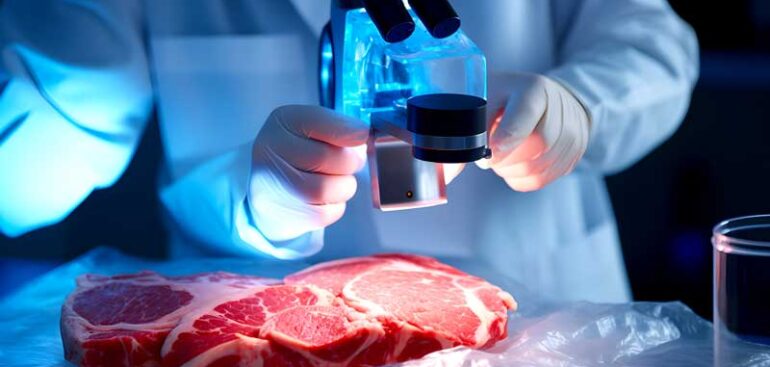
PAA has proven to be an effective food contact sanitizer for both produce and meats. Meat and poultry establishments rely on peracetic acid (PAA) to reduce bacterial contamination and foot spoilage when processing carcasses, parts, trim, and organs. Many bottling plants use peracetic acid as a sanitizer and disinfectant to reduce microbial contamination. Peracetic acid is also widely used as a sanitizer for the brewing industry.

In the meat production industry, peracetic acid has been shown to be very effective at reducing pathogen levels through direct intervention. Some research has found that chlorine/hypochlorite can react with fats and proteins to form various chlorinated compounds5 some which are potentially carcinogenic.  Peroxyacetic-based process is approved (21 CFR 173.370) for washing, rinsing, cooling, or otherwise processing fresh beef carcasses.

The food and beverage industry uses Brainerd Chemical Company’s Terrastat® line of products for a variety of applications where they are typically mixed with water and/or ice and used to:

  • Wash, rinse, cool, or process whole or cut red meat; including parts, trim, and organs.
  • Apply as a spray, wash, rinse, dip, chiller, and/or scalding water to whole or cut poultry; including parts, trims, and organs.
  • Wash fruits and vegetables.
  • Prepare seafood for processing.
  • Wash shell eggs.

Peracetic acid offers numerous benefits to food producers and processors, ranging from sanitization to sterilization. Not only is it highly effective, it also rapidly breaks down into harmless byproducts in the environment. This versatile acid finds application throughout the food spectrum, including dairy, produce, and meat processing. PAA’s usage is on the rise.

ABOUT BRAINERD CHEMICAL COMPANY

Brainerd Chemical Companies dedicated team of engineers, chemists and skilled technicians proudly serve as an industry leader in the manufacturing and supply of peracetic acid. Our expertise in oxygenation and oxidative chemistry sets us apart, enabling us to deliver exceptional solutions through an extensive range of peracetic acid products registered as sanitizers, disinfectants, and antimicrobial agents through the EPA, FDA, and USDA.

Brainerd Chemical Company offers specialty PAA blends under the following tradenames: Terrastat® 15, Terrastat® 15-S, Terrastat® 15-OF, Terrastat® 5-S, Terrastat® 22 and Terrastat® 22-S.

Brainerd Chemical safely manufactures, blends, packages and distributes custom industrial chemical products and services.

Media Inquiries

1+ 918.622.1214

Brainerd Chemical Company

SOURCE: Brainerd Chemical Company

CITATIONS

  1. Peracetic Acid in the Fresh Food Industry.
  2. Bai et al. 2023. Enhanced inactivation of Escherichia coli by ultrasound combined with peracetic acid during water disinfection, Chemosphere.
  3. NSF Approval Letter Peracetic Acid 15.
  4. Bauermeister et al. 2008. The microbial and quality properties of poultry carcasses treated with peracetic acid as an antimicrobial treatment.

2023 Association of Water Technologies Conference

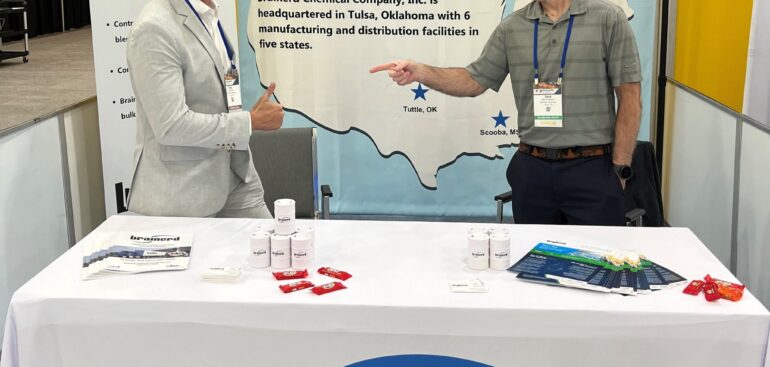
Team Brainerd is proud to share and learn with water treatment industry leaders at the 2023 AWT Conference. We’re proud partners with all our AWT colleagues. Key takeaways from the conference were highlighted by the growing market for PAA especially in the disinfectant segment, and its rising adoption in water treatment. It also showcased new applications and technologies related to PAA, providing valuable insights for attendees.

Shout-out to Chad Hight and Derk Pinkerton for helping educate water treatment professionals on the ecofriendly advantages and efficacy of Peracetic Acid.

ABOUT AWT

The Association of Water Technologies (AWT) is the international water treatment association representing over 500 companies that specialize in applying water treatments for industrial and commercial cooling and heating systems. The association works to support members and provide them with the tools they need to succeed and grow their careers and their businesses — training, certification, networking, and regulatory and public awareness programs.

ABOUT THE AWT ANNUAL CONVENTION

The AWT Annual Convention is where water treatment professionals and industry partners gather to exchange time, resources, strategies, solutions, and more. Over three days of learning, growing, and finding inspiration, attendees are equipped with a year’s worth of support in their daily responsibilities as leaders in the industry.

ABOUT BRAINERD CHEMICAL COMPANY 

Brainerd Chemical safely manufactures, blends, packages and distributes custom industrial chemical products and services.

MEDIA INQUIRIES

1+ 918.622.1214

Brainerd Chemical Company

SOURCE: Brainerd Chemical Company